Charles River Laboratories to acquire Frontage’s bioanalysis and DMPK businesses for $470 million
November 23, 2026 | Monday | News
Strengthens Charles River's Bioanalysis and DMPK Capabilities to Support Clients Across the Drug Development Lifecycle
Charles River Laboratories International, Inc.has entered into definitive agreements to acquire Frontage Holdings Corporation’s (HongKong based) bioanalysis and DMPK operations in Exton, Pennsylvania for approximately $470 million in cash, subject to customary closing adjustments. In addition to the initial purchase price, the transaction includes additional payments of up to $75 million, contingent on future performance of the acquired businesses. The transaction is expected to close during the first half of 2027, subject to required shareholder and regulatory approvals, and other customary closing conditions.
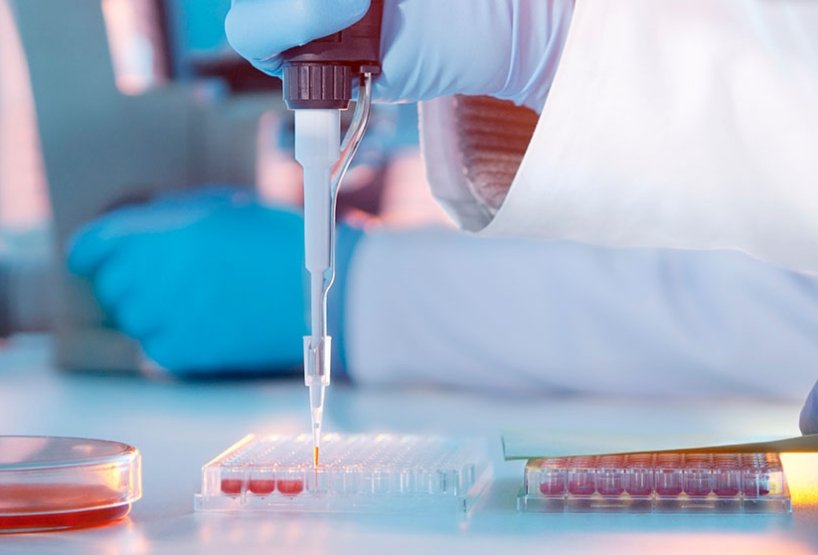
Frontage’s laboratory testing sites that will be acquired provide a comprehensive suite of bioanalysis, biomarker, and DMPK (drug metabolism and pharmacokinetics) testing services for large and small molecules, primarily supporting clinical development programs for biopharmaceutical clients. The planned acquisition includes a CLIA-certified central laboratory and encompasses two sites in Exton, Pennsylvania that operate across approximately 150,000 square feet and employ approximately 340 people.
The planned acquisition of Frontage’s bioanalysis and DMPK businesses will expand Charles River’s capabilities in the high-growth clinical bioanalysis sector and enhance its ability to support clients from early-stage research through clinical development. The transaction complements Charles River’s existing strength in preclinical bioanalysis primarily for biologics and complex modalities, while adding scale and capacity to support future growth.
- Accelerates Long-Term Bioanalysis Growth Strategy - Bioanalysis represents an attractive long-term growth opportunity as increasing demand across biologics, complex modalities, and advanced therapies requires additional scientific data and specialized assays. As a result, the bioanalysis market sector is expected to expand from approximately $6 billion in 2026 to approximately $8 to $9 billion in 2031, representing annual growth of 6% to 8%, with higher growth expected in biologics and complex modalities, as well as for clinical-phase testing. The planned acquisition complements Charles River’s ongoing investments in its bioanalysis capabilities, including capacity additions, positioning the Company to capitalize on attractive long-term growth opportunities.
- Expands Clinical Bioanalysis Presence and Client Continuity – Clients increasingly seek continuity from laboratory testing partners as programs advance from preclinical to clinical development, as bioanalysis data generated from preclinical programs will help guide their early clinical decisions. Currently, approximately 15% of Charles River’s bioanalysis revenue is generated from clinical-phase testing. The planned acquisition will meaningfully expand the Company’s clinical bioanalysis capabilities and scale, enabling broader support across the drug development lifecycle including late-stage clinical diagnostic testing. In 2025, the majority of Frontage’s bioanalysis revenue was generated during clinical development. A more balanced and integrated bioanalysis portfolio is expected to strengthen Charles River’s client relationships, increase share of wallet, and improve client retention throughout longer-duration clinical programs.
- Strengthens Scientific Leadership in High-Growth Modalities – Biologics and complex modalities represent the fastest-growing segments of the bioanalysis sector and account for approximately 75% of Charles River’s bioanalysis revenue. As these therapies become a larger share of development pipelines, demand for increasingly sophisticated bioanalysis solutions continues to grow. Frontage’s bioanalysis expertise will complement Charles River’s existing scientific capabilities, further enhancing its leading portfolio in advanced therapies while also expanding its small molecule bioanalysis capabilities. The acquisition is also expected to unlock additional synergies across the Discovery and Safety Assessment (DSA) and Manufacturing Solutions segments.