
Asia carries the heaviest burden of drug-resistant infection on the planet and anchors the global antibiotic supply chain. Yet most new antibiotics reach its hospitals years late, or never. As resistance to last-resort drugs climbs, the region's next battle against AMR is about economics and access as much as science. Here is what the data shows, who is breaking the pattern, and what would fix it.
Walk into the microbiology lab of almost any large tertiary hospital in Delhi, Dhaka, Jakarta or Manila, and you will hear a version of the same story. A patient in intensive care has a bloodstream infection. The culture comes back as carbapenem-resistant Klebsiella or Acinetobacter. The doctors know which newer drugs could work, because they read the same journals as their peers in Boston and London. The problem is that the drug is not registered in the country, or it is registered but not stocked, or it is stocked but priced beyond what the family can pay. So the team reaches for colistin, an old and toxic antibiotic, and hopes.
Now look at the supply chain. The penicillin and cephalosporin building blocks that end up in hospital pharmacies in Europe and the United States are, overwhelmingly, made in China and finished in India. Asia is the factory floor of the world's antibiotics. It is also where resistance is spreading fastest. And it is, too often, the last place to receive the innovative drugs designed to beat that resistance.
That is the antibiotic paradox, and it is the defining AMR story for Asia as the world marks World AMR Awareness Week from 18 to 24 November. Earlier this month, BioSpectrum Asia examined how the region is moving beyond surveillance towards intervention. This analysis follows the money and the medicines. It asks a blunt question: if the science is advancing, why are the patients who need it most still waiting?
Start with the part of the story that Asia rarely gets credit for. The modern antibiotic supply chain runs through two countries. A 2026 report by the Coalition for a Prosperous America estimates that China accounts for 80 to 90 per cent of global antibiotic active pharmaceutical ingredient (API) production, and holds roughly 90 per cent of the world's capacity for 6-APA, the key intermediate for penicillins. India and China together supply 77 per cent of finished antibiotic imports into the EU and EFTA, and close to 40 per cent of US imports.
India sits one layer downstream. According to the US Pharmacopeia's Medicine Supply Map, India manufactures the largest share of essential APIs worldwide, at 29 per cent. But for antibiotics specifically, India itself leans heavily on China: trade estimates put China's share of India's antibiotic API imports at between 86 and 91 per cent, depending on the year and dataset. As BioSpectrum India has reported, for several critical chains such as penicillins, cephalosporins and azithromycin, China's share of global production runs as high as 90 per cent.
This concentration matters for two reasons. First, it has become a security issue for Western governments, which are now paying to reshore production. Second, and more importantly for this analysis, it shows that Asia's problem is not a lack of industrial capacity. The region can make antibiotics at a scale nobody else can match. What it struggles to do is get the newest, patent-protected molecules registered, reimbursed and used well in its own hospitals.
The scale of the clinical problem is not in dispute. The World Health Organization's Global Antibiotic Resistance Surveillance Report 2025, built on data from 104 countries, found that one in six laboratory-confirmed bacterial infections worldwide in 2023 resisted standard treatment. In the WHO South-East Asia and Eastern Mediterranean regions, the figure was one in three, the highest anywhere. Resistance rose in more than 40 per cent of the pathogen and antibiotic combinations WHO tracked between 2018 and 2023, at an average of 5 to 15 per cent a year.
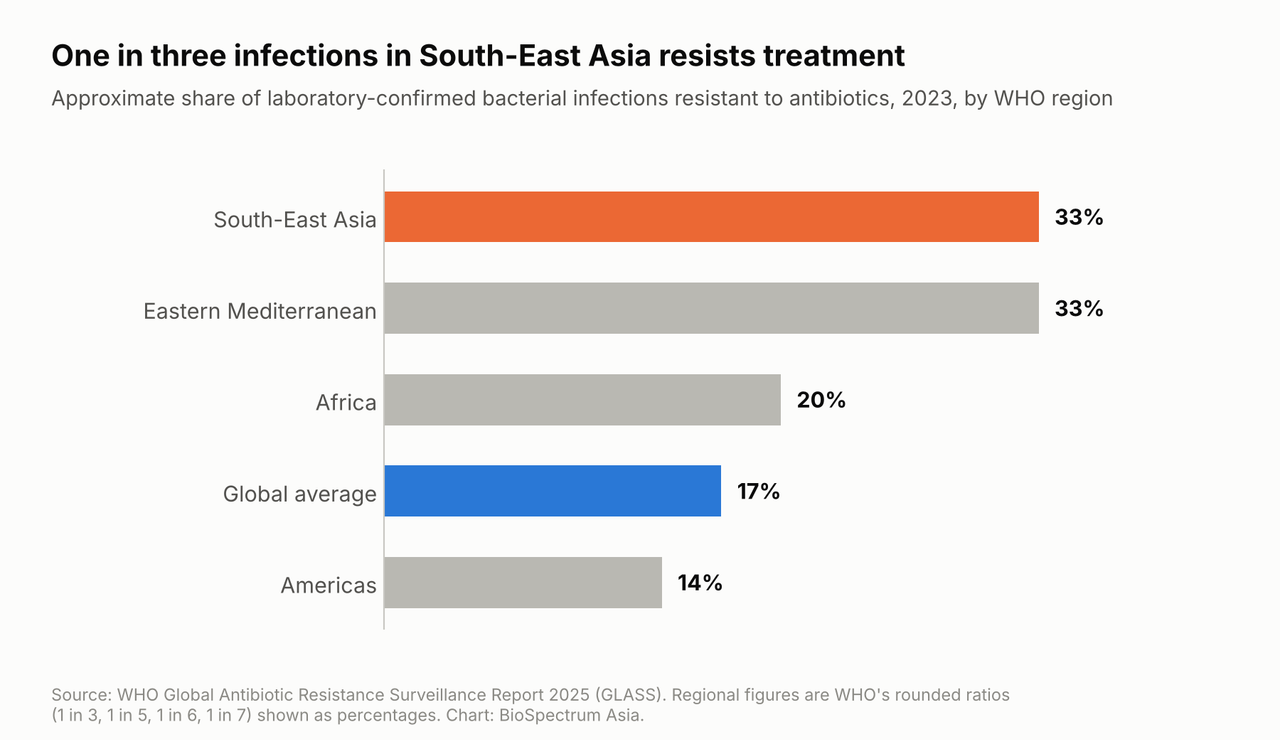
Figure 1. Resistance is highest in WHO's South-East Asia and Eastern Mediterranean regions, roughly double the global average.
Gram-negative bacteria drive the danger. Globally, more than 40 per cent of E. coli and over 55 per cent of Klebsiella pneumoniae are now resistant to third-generation cephalosporins, the first-choice treatment for serious bloodstream infections. In Asia, the data from hospital networks is often worse. China's national surveillance system, CARSS, has reported carbapenem-resistant Acinetobacter baumannii detection rates stabilising at around 55 per cent, a level at which the standard last-resort class has effectively failed for more than half of patients with that infection.
The long-range forecasts are sobering. The Global Research on Antimicrobial Resistance (GRAM) Project, published in The Lancet, projects that AMR will directly cause more than 39 million deaths worldwide between 2025 and 2050. The single largest regional share falls in South Asia, covering India, Pakistan and Bangladesh, where 11.8 million deaths directly due to AMR are forecast over that period. By 2050, GRAM expects annual deaths directly caused by AMR to rise from 1.14 million in 2021 to 1.91 million, and deaths in which resistant bacteria play a role to climb from 4.71 million to 8.22 million.
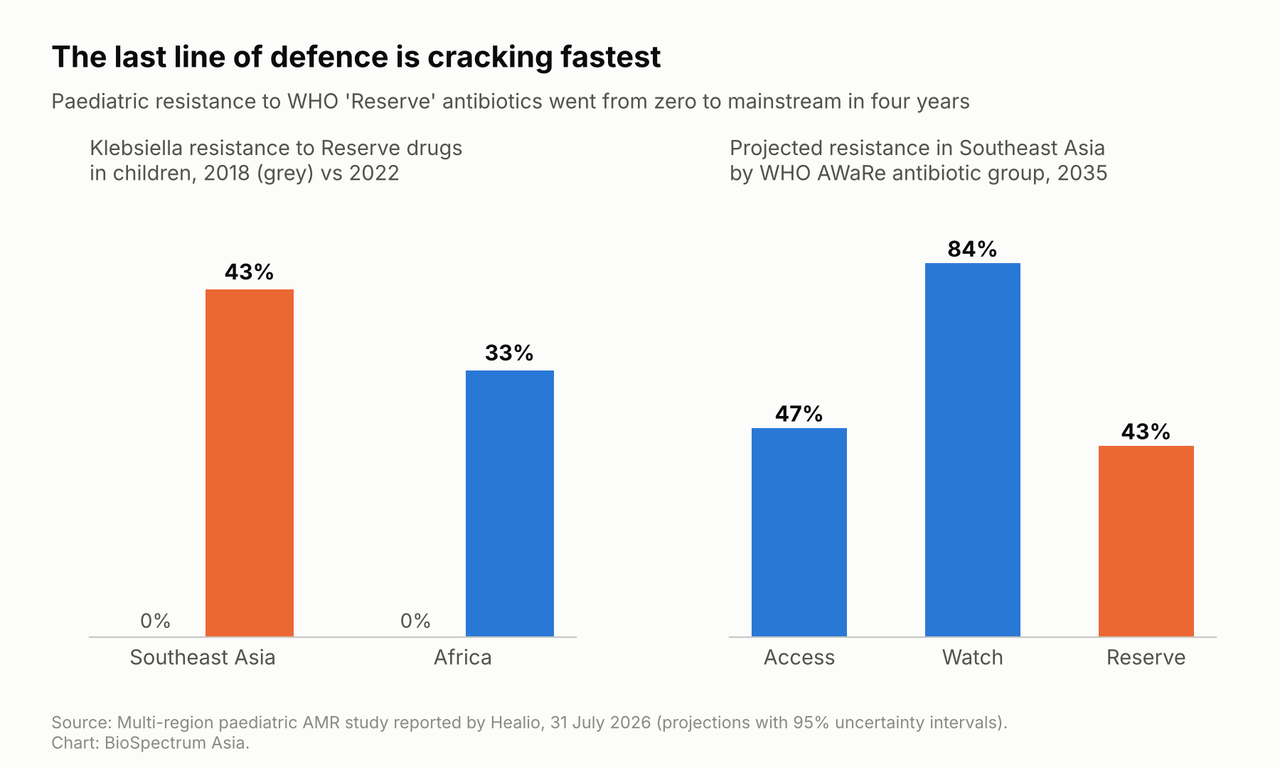
Figure 2. GRAM forecasts put roughly three in ten of the world's direct AMR deaths between 2025 and 2050 in South Asia alone.
Two details in the GRAM data deserve more attention in Asia than they get. The first is ageing. Between 1990 and 2021, AMR deaths among children under five fell by half, while deaths among people aged 70 and over rose by more than 80 per cent. Japan, Korea, Singapore, Thailand and China are ageing faster than almost anywhere in history, which means their AMR burden will grow even if resistance rates stay flat. The second is the upside. GRAM's modelling suggests that better infection care and access to antibiotics could avert 92 million deaths between 2025 and 2050, with the biggest gains in South Asia, at 31.7 million. Access, in other words, is not a side issue. It is the largest single lever on the table.
The economic cost tracks the human one. An L.E.K. Consulting analysis cited by GARDP projects AMR-related costs in Asia of US$550 billion to US$700 billion by 2050, close to one per cent of regional GDP. On the other side of the ledger, a 2025 World Economic Forum paper estimated that strategic investment in Asia-Pacific could save up to US$55 billion a year within the next decade.
WHO sorts antibiotics into three groups under its AWaRe system. Access drugs are first-line, cheap and widely available. Watch drugs carry higher resistance risk and should be used more carefully. Reserve drugs are the last line of defence, held back for infections that nothing else can treat. The health of the Reserve group is the best early warning of where AMR is heading.
A multi-region study of resistance in children, reported by Healio in July 2026, shows how quickly that line is eroding. Between 2018 and 2022, Klebsiella resistance to Reserve antibiotics in Southeast Asia rose from zero to 43 per cent. In Africa, it went from zero to 33 per cent. Two decades ago, the authors noted, there were essentially no pathogens resistant to broad-spectrum antibiotics in either region. Their projections for 2035 are starker still: resistance in Southeast Asia of 47 per cent to Access drugs, 84 per cent to Watch drugs and 43 per cent to Reserve drugs, the highest of any region studied.
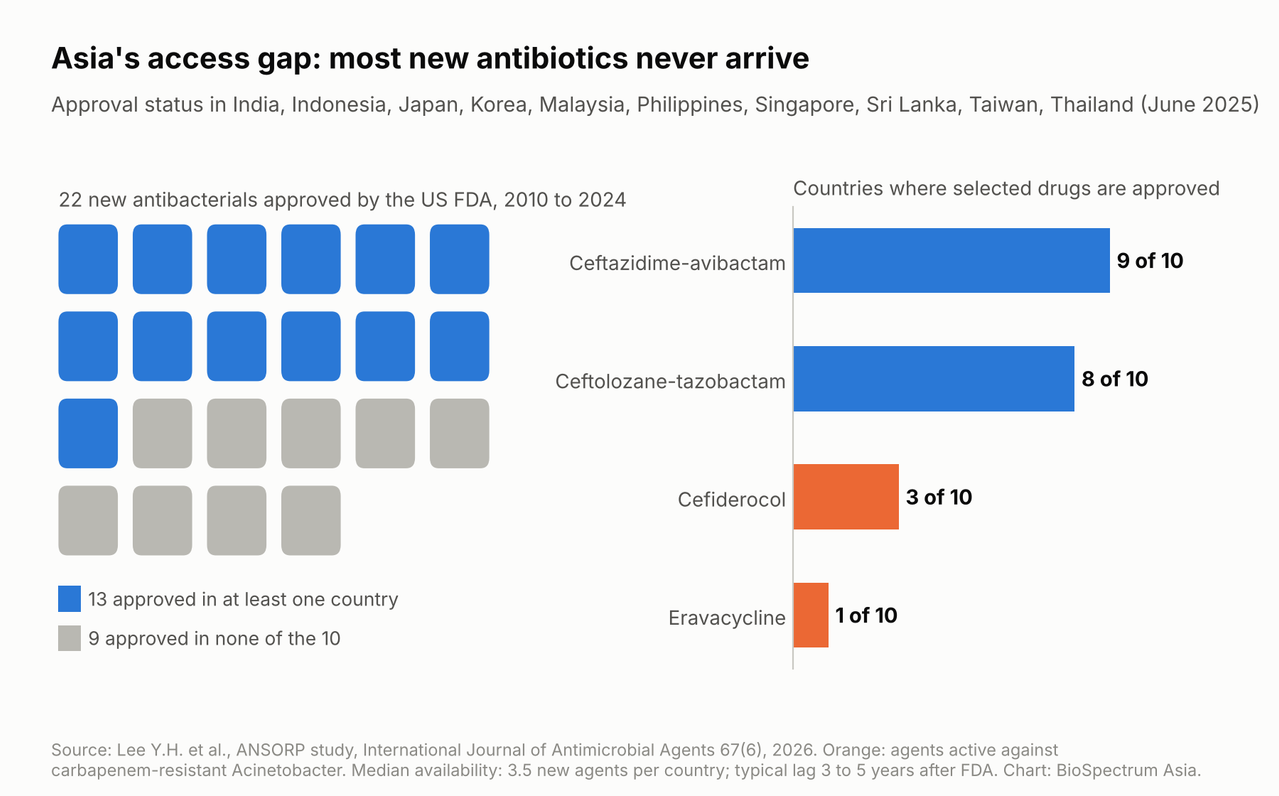 Figure 3. In four years, paediatric Klebsiella resistance to Reserve antibiotics in Southeast Asia went from zero to 43 per cent.
Put simply, Asia is burning through its last-resort options faster than new ones arrive. Which brings us to the heart of the paradox.
For years, the delay in getting new antibiotics into Asian markets was discussed anecdotally. In June 2026, the Asian Network for Surveillance of Resistant Pathogens (ANSORP) put numbers on it. Writing in the International Journal of Antimicrobial Agents, researchers tracked every new molecular entity antibacterial approved by the US FDA between 2010 and 2024, 22 in total, and checked their approval status as of June 2025 in ten Asian markets: India, Indonesia, Japan, Korea, Malaysia, the Philippines, Singapore, Sri Lanka, Taiwan and Thailand.
The findings are uncomfortable reading. Only 13 of the 22 drugs were approved in any of the ten countries. The median country had just 3.5 of them, with a range of one to six. Most approvals came three to five years after the FDA's. Beta-lactam and beta-lactamase inhibitor combinations travelled best: ceftazidime-avibactam was available in nine countries and ceftolozane-tazobactam in eight. But for carbapenem-resistant Acinetobacter, the very pathogen driving ICU mortality across the region, the picture collapses. Cefiderocol was approved in only three markets, Japan, Singapore and Taiwan, and eravacycline in one, Singapore.
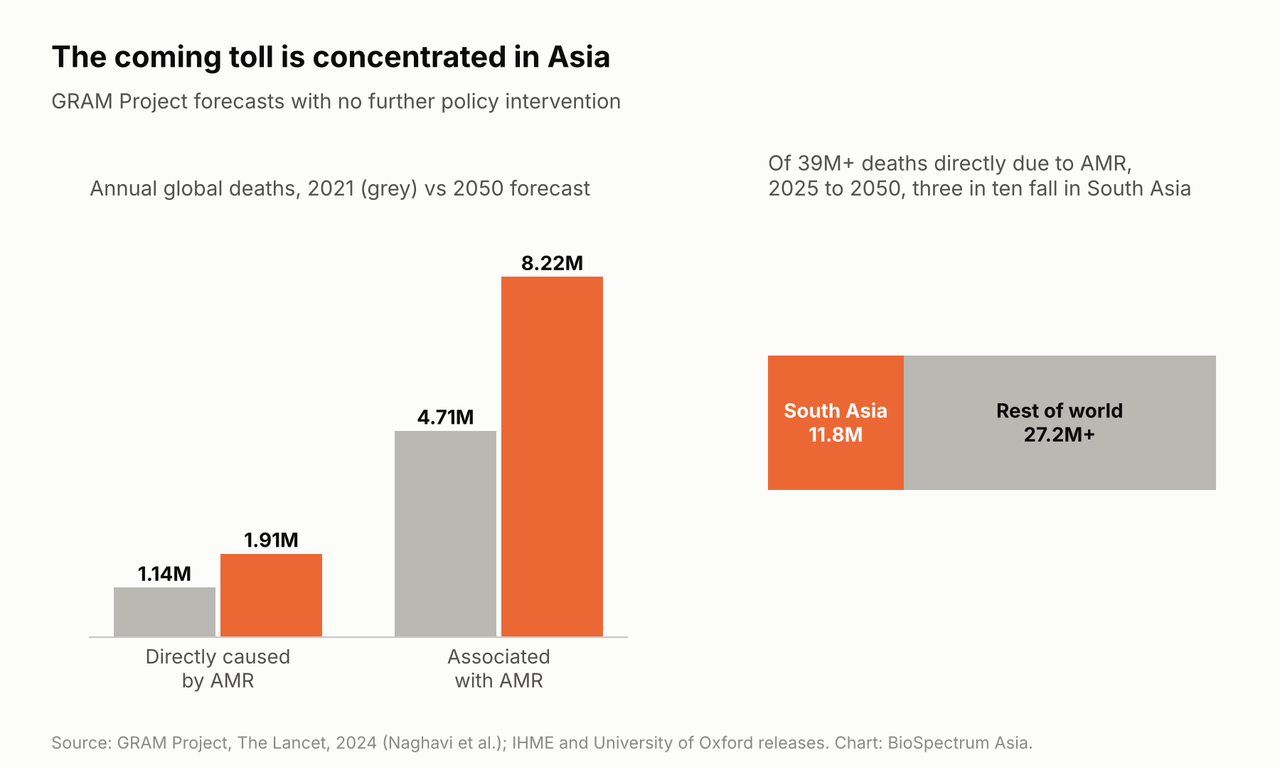
Figure 4. Nine of 22 recent FDA-approved antibacterials are not registered in any of the ten Asian markets studied.
The most striking finding is what did not explain the gap. Availability showed no correlation with GDP, drug price or the type of healthcare system. Wealthy, single-payer Japan and Korea were not systematically ahead of middle-income markets. That points the finger squarely at market design and regulatory pathways rather than at national income.
To understand the gap, it helps to look at it from a company's boardroom. A new antibiotic is a strange product. Clinically, it is priceless. Commercially, it is designed to be used as little as possible. Good stewardship rightly tells doctors to keep a new Reserve agent on the shelf until nothing else works. That protects the drug's effectiveness, but it also means small volumes, slow uptake and revenues that rarely cover development costs, let alone the cost of registering, launching and supporting the product in a dozen separate Asian markets.
Several features of the Asian market make that calculation worse.
The result is a rational but deadly market failure. Companies launch first in the US, Europe and Japan, where reimbursement is predictable and, increasingly, subsidised. Asia's middle-income markets wait. It is worth noting where the money is flowing today. In April 2026, the US government awarded Japan's Shionogi a contract worth up to US$482 million through BARDA's Project BioShield to build US manufacturing capacity for cefiderocol and procure supply. Asian innovation, in other words, is being underwritten by Western preparedness budgets, not Asian ones.
If there is a model inside Asia, it is Japan. The country has been the region's leading funder of antimicrobial R&D, contributing around US$125 million between 2017 and 2025. More importantly, it is one of only three G7 countries, alongside Germany and the UK, to have fully implemented a pull incentive rather than just a pilot.
The scheme began modestly. The Ministry of Health, Labour and Welfare set aside 1.1 billion yen in its FY2023 budget for a revenue-guarantee pilot, and chose antibiotics active against carbapenem-resistant Enterobacterales as the first products to be supported. The principle is simple: if a qualifying antibiotic's sales fall below an agreed threshold, the government makes up the difference, so the company has a reason to keep the drug registered and supplied even when stewardship keeps volumes low. In a March 2026 speech, a senior Japanese health official noted that nearly three years had passed since launch and that the government intended to keep refining the scheme on the basis of evidence.
Japan's experience matters for the rest of Asia in three ways. It proves a revenue guarantee can be built inside an Asian national health insurance system with existing pricing machinery. It provides early data on cost, uptake and stewardship that other governments can study rather than guess. And it gives Japanese developers such as Shionogi a domestic launchpad. Modelling by the Center for Global Development estimated that an ambitious Japanese programme could save 14,000 lives and generate US$6.9 billion in benefits over ten years, a return of roughly six to one.
The critique is that the sums remain small relative to the global need, and that a revenue guarantee rewards products already on the market more than it pulls new ones through development. Industry body IFPMA has argued that budgets need to grow, or that Japan should add a separate R&D pull incentive on top. Still, Japan has shown it can be done. Korea, Singapore and Taiwan, all with sophisticated single-payer or centralised purchasing systems, have no structural excuse not to follow.
The most hopeful part of this story is that Asia is no longer only a manufacturer and a consumer of other people's antibiotics. Over the past five years, a small but significant wave of Asian-discovered molecules has reached patients, and several have launched at home first.
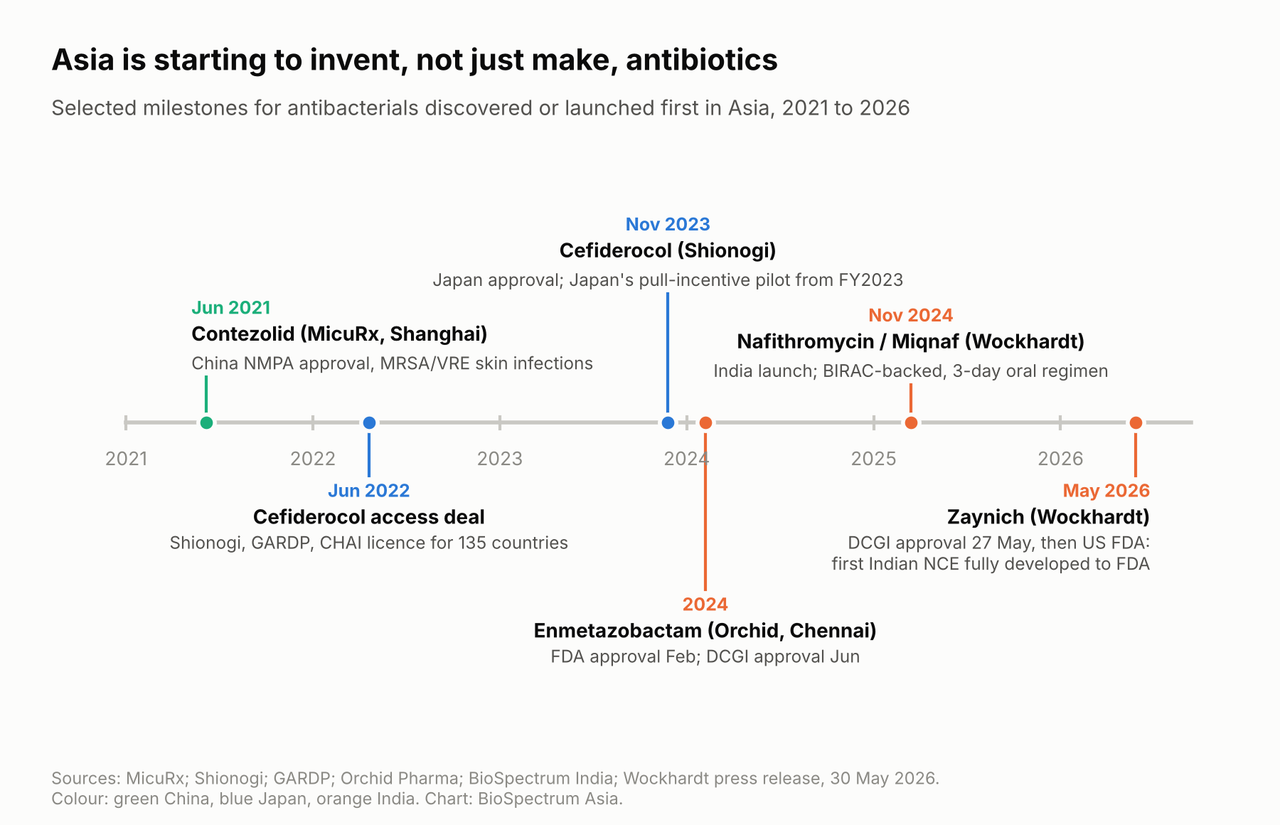
Figure 5. A new generation of antibacterials discovered or launched first in Asia.
China moved early. In June 2021, Shanghai-based MicuRx won NMPA approval for contezolid, a next-generation oral oxazolidinone for complicated skin infections caused by resistant Gram-positive bacteria such as MRSA, after more than a decade of development. China's 2026 National Reimbursement Drug List, effective 1 January, also introduced a new Category C designed for innovative, high-cost treatments, a mechanism that could in time help novel antibiotics find a reimbursement route.
India's breakthroughs have come in quick succession. In February 2024, Chennai-based Orchid Pharma's enmetazobactam became the first antimicrobial invented in India to win US FDA approval, as part of a combination with cefepime; India's DCGI approved it for domestic use in June 2024. In November 2024, Wockhardt's nafithromycin, sold as Miqnaf, was launched as India's first indigenously developed antibiotic for drug-resistant community-acquired pneumonia. It offers a three-day oral regimen and was developed over 14 years with an investment of around 500 crore rupees, with support from the Biotechnology Industry Research Assistance Council (BIRAC). India, notably, bears about 23 per cent of the world's community pneumonia burden.
Then, this year, came the milestone. Wockhardt's Zaynich, a combination of cefepime and the novel beta-lactam enhancer zidebactam, received DCGI approval on 27 May 2026 and US FDA approval days later for complicated urinary tract infections. In its Phase 3 ENHANCE-1 trial of 530 hospitalised adults across sites including India and China, Zaynich achieved a composite clinical and microbiological cure rate of 89.0 per cent against 68.4 per cent for meropenem. Wockhardt describes it as the first new chemical entity fully developed and commercialised by an Indian company to receive FDA approval, and has filed for approval in Europe.
The sequence matters as much as the science. Zaynich was approved in India before the United States. That inverts the usual pattern, in which Asian patients wait three to five years behind American ones. When the developer is Asian, the launch geography changes.
Japan's Shionogi remains the region's anchor in big-company antibiotic R&D, ranked second among large research-based firms in the Access to Medicine Foundation's 2026 AMR Benchmark. Smaller players are coming up behind. Bengaluru-based Bugworks Research is developing a new class of antibiotics for serious drug-resistant infections in partnership with GARDP, though it remains in early clinical development and years from market. And funders are looking east: CARB-X, the global accelerator for antibacterial products, opened its second 2026 funding round on 10 November and has said it wants more applicants from Asia-Pacific.
None of this means the pipeline problem is solved. Globally, the most closely watched candidate for carbapenem-resistant Acinetobacter, Roche's zosurabalpin, entered a Phase 3 trial of around 400 patients at more than 100 sites, and would be the first new class against this pathogen in some 50 years if successful. But approval, by Roche's own timeline, is expected towards the end of the decade. For Asian ICUs, that is a long time to wait with colistin.
If market forces alone will not deliver new antibiotics to Asia quickly, someone has to engineer the route. The most ambitious attempt so far is the deal struck in June 2022 between Shionogi, the Global Antibiotic Research and Development Partnership (GARDP) and the Clinton Health Access Initiative (CHAI). It licensed cefiderocol, one of the few drugs active against carbapenem-resistant Gram-negative bacteria, for generic manufacture and supply in 135 countries, almost 70 per cent of the world.
In 2023, GARDP chose India's Orchid Pharma as the manufacturing sublicensee, after a vetting process led by CHAI. GARDP's own materials note that populations in low- and middle-income countries typically wait more than a decade for access to antibiotics active against resistant bacteria. Its 2026 Asia briefing says preparations are underway for an initial launch in India, ahead of broader regional access, with Bangladesh, Pakistan and Sri Lanka among the priority Asian markets for commercial sublicensing.
The same playbook is being applied elsewhere. GARDP ran a Phase 3 trial of zoliflodacin, a first-in-class oral treatment for drug-resistant gonorrhoea, with sites in Thailand, and is preparing for rapid registration there following US approval. It is also funding the NeoSep1 study on neonatal sepsis, a leading cause of newborn deaths across Asia.
The lesson from these programmes is that access is a design problem, not an afterthought. Licensing terms, technology transfer, local manufacture, regulatory reliance and stewardship conditions all have to be built in from the start. When they are, the decade-long lag can shrink to a few years. When they are not, it stays.
There are signs that governments are moving from plans to delivery. In May 2026, the World Health Assembly adopted an updated Global Action Plan on AMR for 2026 to 2036, the first comprehensive overhaul since 2015, built around a more accountable, measurable One Health framework. The WHO South-East Asia Region has its own 2025 to 2030 roadmap.
India launched its National Action Plan on AMR 2.0 on 18 November 2025, covering 2025 to 2029. Unlike its 2017 predecessor, it requires more than 20 ministries and departments to produce their own action plans with timelines and dedicated budgets, and it mandates surveillance of resistance and antibiotic residues in wastewater from hospitals, farms and pharmaceutical plants. That last point connects directly to the supply story: the factories that make the world's antibiotics are themselves a potential source of resistance if effluent is not controlled.
But national action plans have historically focused on surveillance, stewardship and awareness. They are far weaker on the commercial side: how new antibiotics are registered, priced, reimbursed and kept on the market. A study in BMJ Public Health in October 2026 found that, although Asia-Pacific countries had made progress in developing national plans, implementation remains a major challenge. Closing the access gap needs a different set of tools.
Drawing on the evidence above, here are five interventions that would do most to close Asia's antibiotic access gap. None requires new science. All require political will and some regional coordination.
|
1. Regional pull incentives, sized fairly Japan has shown a revenue guarantee works inside an Asian insurance system. Korea, Singapore, Taiwan and China should design comparable schemes, ideally with shared eligibility criteria so a developer can plan one Asian launch instead of six. Contributions could be scaled to GDP, in line with the 'fair share' approach now being discussed internationally. |
|
2. Regulatory reliance for priority antibiotics The ANSORP data shows the lag is about process, not wealth. A reliance pathway, under which ASEAN regulators, India and others fast-track antibiotics on WHO's priority pathogen list once approved by a trusted reference authority, could cut years off access timelines. WHO prequalification already offers a collaborative procedure that can bring national approvals down to around 90 days in participating countries. |
|
3. Pooled procurement for Reserve drugs No single mid-sized Asian market offers enough volume to justify a launch. A regional purchasing pool for a short list of Reserve agents, with guaranteed minimum orders and stewardship conditions attached, would turn a dozen unattractive markets into one viable one. |
|
4. Diagnostics as the gatekeeper New antibiotics only work commercially and clinically if doctors know who needs them. Funding rapid microbiology and molecular diagnostics in tertiary hospitals is the cheapest way to make demand visible and to protect the drugs once they arrive. |
|
5. Make Asian innovation pay at home Zaynich, enmetazobactam, nafithromycin and contezolid prove Asian companies can discover and develop new antibiotics. Their home governments should be the first, not the last, to reward them, through priority review, fair reimbursement and inclusion in public insurance schemes, so the next generation of developers is built in Asia. |
For pharmaceutical and biotech companies, the message is mixed but increasingly positive. The traditional view of Asia as a price-sensitive, low-priority market for innovative anti-infectives is out of date in two ways. First, the clinical need is so great that a well-designed access strategy can reach meaningful volumes, especially for drugs active against carbapenem-resistant pathogens. Second, Asian developers are now competitors with first-mover advantages at home, regulatory relationships, and cost structures that Western firms cannot easily match.
For API and CDMO players across China and India, the opportunity lies in moving up the value chain: from bulk intermediates for decades-old drugs to quality-assured, environmentally responsible manufacture of newer agents, as Orchid's cefiderocol sublicence shows. That will mean meeting tougher effluent standards, both under India's NAP-AMR 2.0 and under emerging industry certification schemes for responsible antibiotic manufacturing.
For diagnostics companies, the gap between Asia's burden and its testing capacity is itself a market. Every rapid test that identifies a resistant infection creates a defined patient for a defined drug. And for investors, the combination of Japan's pull scheme, US preparedness contracts and global accelerators such as CARB-X is slowly making the antibiotic business case look less like charity and more like infrastructure.
Asia's antibiotic paradox is not a law of nature. It is the product of fragmented markets, volume-based business models and regulatory systems that were never designed for drugs meant to sit on a shelf. Each of those can be redesigned. Japan has shown that pull incentives can work in Asia. GARDP and its partners have shown that access can be engineered. Wockhardt, Orchid and MicuRx have shown that Asian science can produce world-class antibiotics, and that Asian patients can be first in line rather than last.
The question for the coming decade is whether governments in the region will treat new antibiotics the way they treat vaccines and pandemic preparedness: as shared infrastructure that must be paid for in advance, rather than as products that must prove themselves in the market. The region that makes the world's antibiotics should not be the one that waits longest for the next ones. With resistance to last-resort drugs rising as fast as the data now shows, Asia cannot afford to keep waiting.
|
Indicator |
Value |
Source |
|
Share of bacterial infections resistant, WHO South-East Asia Region (2023) |
About 1 in 3 |
WHO GLASS 2025 |
|
Global average share resistant (2023) |
About 1 in 6 |
WHO GLASS 2025 |
|
K. pneumoniae resistant to 3rd-gen cephalosporins, global |
Over 55% |
WHO GLASS 2025 |
|
Direct AMR deaths forecast in South Asia, 2025 to 2050 |
11.8 million |
GRAM / The Lancet |
|
Deaths averted with better care and access, South Asia, 2025 to 2050 |
31.7 million |
GRAM / The Lancet |
|
Paediatric Klebsiella resistance to Reserve drugs, Southeast Asia, 2018 to 2022 |
0% to 43% |
Healio, July 2026 |
|
FDA-approved new antibacterials (2010 to 2024) approved in any of 10 Asian markets |
13 of 22 |
ANSORP, IJAA 2026 |
|
Typical approval lag behind FDA in Asian markets |
3 to 5 years |
ANSORP, IJAA 2026 |
|
China's estimated share of global antibiotic API production |
80% to 90% |
CPA report, 2026 |
|
Japan's pull-incentive pilot budget, FY2023 |
JPY 1.1 billion |
MHLW via Pharma Japan |
|
Projected AMR-related costs in Asia by 2050 |
US$550 to 700 billion |
L.E.K. via GARDP |
|
Zaynich Phase 3 cure rate vs meropenem |
89.0% vs 68.4% |
Wockhardt, May 2026 |