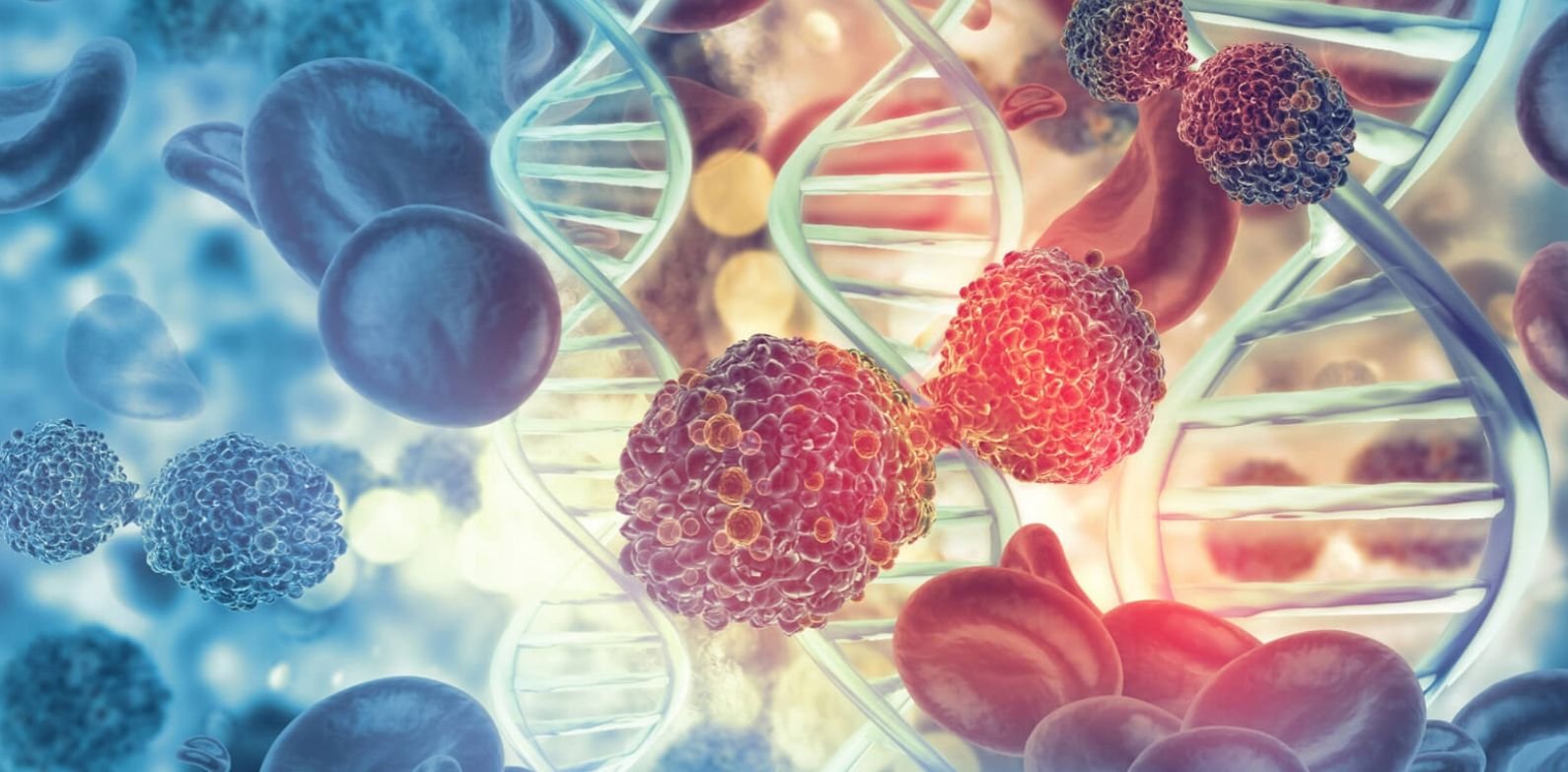

Research into metabolic health, cellular ageing and immune function is opening new questions about cancer prevention and treatment. However, shared biological mechanisms do not necessarily translate into proven therapies, and promising laboratory findings require careful clinical evaluation.
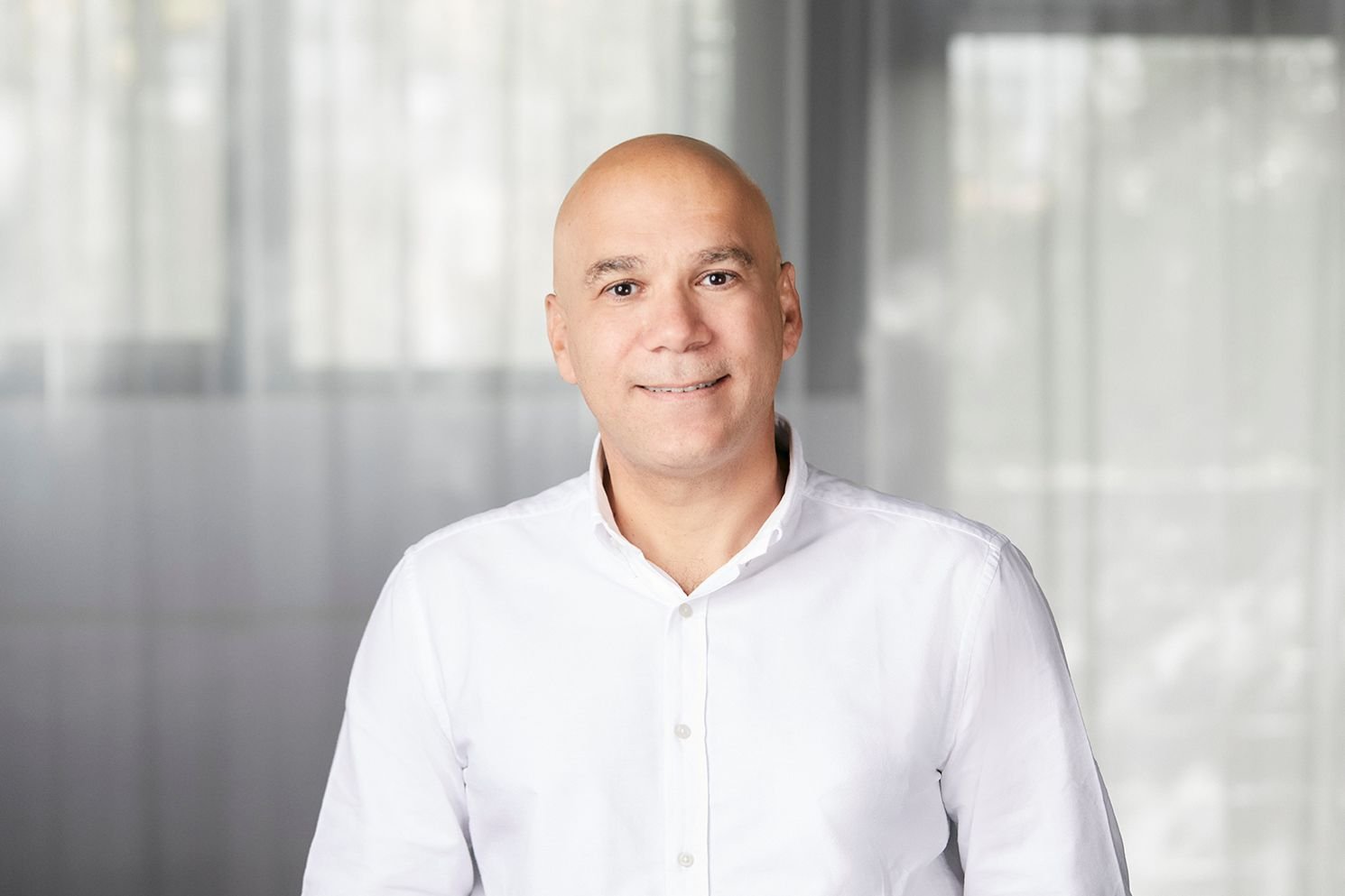
In this interview, Dr Nathan Goodyear and Dr Jason Williams of the Williams Cancer Institute discuss themes from their book, The Longevity Primer. They explore GLP-1 therapies beyond weight management, the relationship between cancer and ageing, personalised immunotherapy and the importance of preserving quality of life.
GLP-1 therapies are being investigated for benefits beyond weight loss. What does current research suggest about their effects on inflammation, metabolic health and cancer risk, and which findings are most clinically significant?
Dr Nathan Goodyear:
In the GLP-1 chapter of The Longevity Primer, I compare semaglutide with sitagliptin, an older diabetes medicine that acts on the same broader hormone pathway through a different mechanism. They are different drugs, but the comparison raises questions about how metabolic pathways intersect with cancer and ageing.
We organise medicine by disease names, while biology operates through interacting systems. Conditions such as obesity, type 2 diabetes, cardiovascular disease and cancer can involve overlapping processes, including metabolic dysfunction, chronic inflammation, immune dysregulation, mitochondrial dysfunction and cellular senescence.
GLP-1 receptor agonists address aspects of metabolic dysfunction, including insulin resistance and altered glucose regulation. Their potential effects on inflammation and the tumour microenvironment are also being investigated. However, they are not a magic bullet, and biological plausibility is not the same as demonstrated clinical benefit in cancer.
On cancer risk, headlines can run ahead of the data. A large observational study of people with type 2 diabetes found lower rates of several obesity-associated cancers among GLP-1 users compared with insulin users. Comparisons with metformin produced different findings. That illustrates why the comparison treatment and study design matter.
Observational associations cannot establish cause and effect. Randomised evidence has not established GLP-1 therapies as cancer-prevention treatments, and their potential role in oncology remains a research question.
Our book acknowledges that much of the evidence supporting proposed anticancer mechanisms is preclinical or observational. Semaglutide’s safety and effectiveness for an oncology indication would need to be established separately. Its US prescribing information also carries a boxed warning concerning thyroid C-cell tumours observed in rodents, with human relevance unknown, and contraindications for people with a personal or family history of medullary thyroid carcinoma or multiple endocrine neoplasia syndrome type 2.
The principle is the right treatment for the right patient—not a GLP-1 medicine for everyone.
Dr Jason Williams:
Loss of excess fat may be one important factor because adipose tissue can contribute to inflammation. But the potential effects are not necessarily limited to weight loss. Metabolism, inflammatory signalling and immune activity interact, making it difficult to separate their contributions.
That creates interesting research possibilities for cardiovascular health and healthy ageing. Whether these effects translate into longer lifespan or reduced cancer risk still needs to be demonstrated.
In my earlier writing, I discussed the DPP-4 inhibitor sitagliptin and research into its effects on T-cell activity and responses to checkpoint immunotherapy. It acts through a different mechanism from GLP-1 receptor agonists and does not have the same weight-loss effects.
We are also interested in studying local delivery of GLP-1 medicines into tumours. That remains an experimental research direction, rather than an established treatment approach.
How closely are cancer and ageing connected at the cellular level? Could targeting shared mechanisms create opportunities to prevent cancer while extending healthy lifespan?
Dr Nathan Goodyear:
Cellular senescence is an important connection. When a damaged cell stops dividing, that can protect against cancer. However, senescent cells that persist can release inflammatory and growth-related signals that affect surrounding tissues.
This senescence-associated secretory phenotype, or SASP, links cellular damage with inflammation, tissue ageing and changes in immune function. Inflammation can promote senescence, while senescent cells can sustain inflammation.
In our writing, we explore overlaps between the hallmarks of cancer and ageing, including genomic instability, epigenetic alterations, chronic inflammation and microbiome disruption. These frameworks help us examine shared mechanisms, although overlap does not mean that the two processes are interchangeable.
We must be clear about the level of evidence. Many proposed interventions remain at the laboratory or animal-study stage. Cellular reprogramming carries potential cancer risks if it is not adequately controlled.
Reprogramming, senolytics, metformin and rapamycin have not been established as ways to prevent cancer in the general population. Findings in particular settings, such as transplant recipients, cannot simply be generalised to everyone.
The opportunity for discovery is real, but it has to be supported by appropriately designed human clinical trials.
Dr Jason Williams:
One connection is that cancer cells and senescent cells can use overlapping signals to evade immune clearance. Researchers are investigating whether targeting those pathways could affect both populations.
Inflammatory mediators such as interleukin-1, interleukin-6 and TGF-beta are also relevant to both cancer biology and ageing. Understanding how they influence immune-cell behaviour could help identify future therapeutic strategies.
Another area is cellular reprogramming. The question is whether aspects of a cell’s aged state can be altered while preserving its identity and avoiding uncontrolled growth.
We are interested in whether related approaches might eventually have applications in cancer, but that remains a research hypothesis. Different cancers may respond differently, and efficacy and safety would need to be established for each proposed application.
How do personalised immunotherapy and in-situ cancer vaccine approaches activate the immune system against cancer, and what progress and challenges are shaping their clinical development?
Dr Nathan Goodyear:
Both approaches aim to help a patient’s immune system recognise their tumour, but they do so differently.
A personalised neoantigen vaccine generally starts with sequencing a tumour’s mutations, selecting antigens and designing a vaccine against them. An in-situ approach instead seeks to use the tumour itself as a source of antigens, combining local tumour disruption with interventions intended to support immune recognition and activation.
One recent example of clinical progress is the Phase III INTerpath-001 study. Merck and Moderna reported that their investigational individualised mRNA neoantigen therapy, added to pembrolizumab after surgery for stage IIB–IV melanoma, reduced the relative risk of recurrence or death by 42% compared with pembrolizumab alone. Overall survival data were not yet mature at the reported analysis.
That result concerns a specific treatment combination and patient population. It should not be taken as proof that all personalised or in-situ vaccine approaches will work.
For in-situ strategies, the ambition is to release tumour antigens locally and support antigen presentation, immune-cell recruitment and an adaptive response that may extend beyond the treated lesion.
The challenges are substantial. Tumours may exclude immune cells, suppress immune activity or be difficult to reach safely. Local immune activation does not necessarily produce a response in distant, untreated tumours.
Randomised studies are needed to determine which combinations work, in which cancers and for which patients. They also need to establish how local delivery compares with, or complements, existing systemic treatment.
Dr Jason Williams:
There is considerable work underway on vaccines designed around the antigens present in an individual’s cancer, including mRNA approaches.
The approach we describe as AblationVax seeks to use tumour ablation to release antigens at the treatment site, combined with immune-based agents intended to stimulate a response. Techniques being explored include pulsed electric fields and cryoablation.
Ablation methods are not interchangeable. The way tumour tissue is disrupted may influence which antigens are preserved or released and how the immune system responds.
It is also important to distinguish approved intratumoral treatments from experimental combinations. The existence of an approved locally administered therapy does not establish the effectiveness of another regimen.
I believe local delivery deserves further investigation. However, whether a tumour can be accessed safely, which agents should be used and whether repeat treatment is appropriate all require careful evaluation. These decisions cannot be generalised across patients or cancer types.
What does a focus on healthspan change about how we approach cancer prevention and treatment, and what advances could have the greatest impact over the next decade?
Dr Nathan Goodyear:
Healthspan broadens the goal from how long a person survives to how well they live during those years. In cancer care, that includes treatment burden, physical function, long-term effects and quality of life alongside survival.
Screening and prevention are related but different. Screening aims to detect disease earlier. Prevention seeks to reduce the likelihood that disease develops. There is also growing interest in interception: identifying and acting on premalignant states before invasive cancer emerges.
The mechanisms we discuss in the book—including chronic inflammation, metabolic dysfunction and immune changes—may develop before a tumour is detected. Understanding them could generate new prevention hypotheses, but those hypotheses need clinical testing.
Established interventions, such as HPV vaccination and appropriate evidence-based screening, remain important. New screening technologies also need rigorous assessment of benefits, limitations and potential harms.
Over the next decade, I hope to see more personalised immune-based treatments evaluated in well-designed trials, alongside research that directly measures whether interventions targeting metabolic or ageing-related pathways improve cancer outcomes.
Dr Jason Williams:
For me, the goal is treatment that preserves the person’s function and quality of life as much as possible. Survival matters, but so does the ability to live well after treatment.
I am interested in whether treatment could eventually be integrated earlier into diagnostic pathways, including around biopsy in selected circumstances. That would require evidence, appropriate patient selection and safeguards; it is not a universal approach.
Cancer risk generally rises with age, so reducing the burden of cancer is important to any ambition to extend healthy life. The overlapping biology of cancer and ageing gives researchers questions worth pursuing.
My hope is that future therapies will help people remain healthier for longer while reducing the impact of cancer. How far those possibilities can be taken, and on what timeline, remains to be established.