
Cell Therapies has manufactured and released the first clinical dose for the KOALA trial, a first-in-human study evaluating a novel CAR T-cell therapy in patients with relapsed or refractory multiple myeloma.
The first patient has now been dosed with PMCC-COE-KMA, an investigational therapy developed by Peter MacCallum Cancer Centre’s Centre of Excellence in Cellular Immunotherapy and licensed by Australian biotechnology company HaemaLogiX.
The KOALA study will assess the safety and efficacy of PMCC-COE-KMA in patients whose disease is no longer responding to standard therapies and who are not currently eligible for other CAR T-cell treatments.
PMCC-COE-KMA is designed to target Kappa Myeloma Antigen, or KMA, a receptor found on multiple myeloma cells and absent from healthy immune cells.
The differentiated targeting approach is intended to deliver a more selective anti-myeloma effect while potentially reducing treatment-related toxicities and preserving healthy immune function.
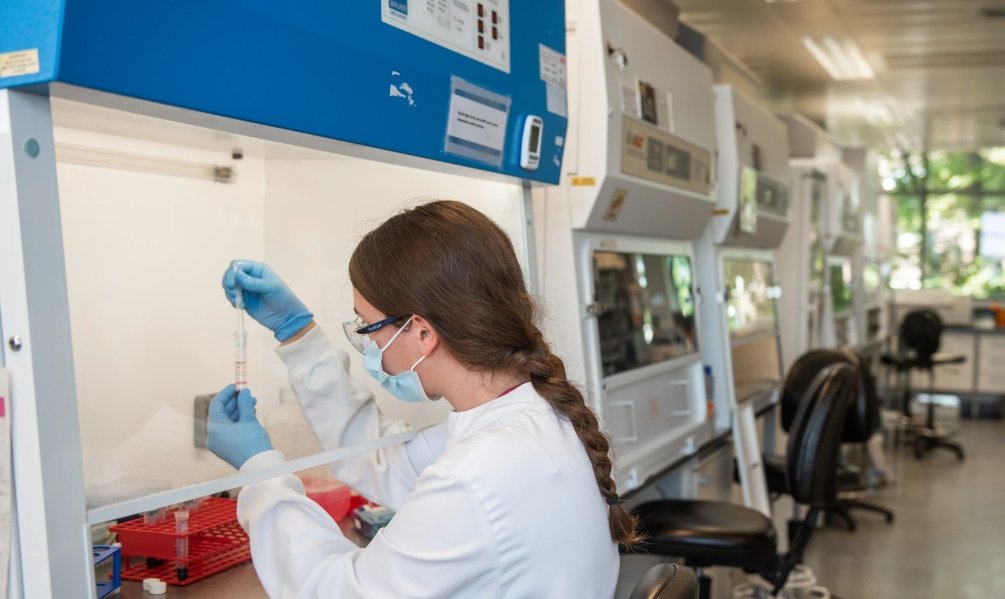
Cell Therapies is serving as the manufacturing partner for the study and is producing clinical doses at its GMP-licensed cell therapy manufacturing facility in Melbourne.
The facility is co-located with Peter Mac, creating a streamlined pathway from research and development through manufacturing and clinical delivery.
“The successful treatment of the first patient in the KOALA trial is a significant achievement for everyone involved and demonstrates the power of bringing together world-class research, clinical expertise and advanced manufacturing capabilities,” said Dr Bev Menner, Chief Executive Officer of Cell Therapies.
“Cell Therapies is proud to manufacture the clinical product for this pioneering study and to support the translation of innovative Australian science into potential new treatment options for patients with multiple myeloma.”
She added that the milestone highlights the role of Australia’s cell therapy ecosystem and the importance of collaboration between research organisations, biotechnology companies and specialised manufacturers.
The Centre of Excellence in Cellular Immunotherapy and HaemaLogiX worked together to advance PMCC-COE-KMA from early-stage development through to Therapeutic Goods Administration approval to enter clinical testing.
Professor Simon Harrison, Director of Peter Mac’s Centre of Excellence in Cellular Immunotherapy, said the investigational therapy is intended to target myeloma cells while sparing the patient’s immune system.
“This investigational therapy aims to deliver a more targeted anti-myeloma effect while sparing the patient’s immune system, potentially reducing side effects that often require careful management.”
“The dosing of the first patient is an important step in evaluating this novel approach, and we look forward to continuing patient enrolment and assessing its potential benefit for people living with multiple myeloma.”
HaemaLogiX Chief Scientific Officer Dr Rosanne Dunn said the first patient had been treated safely and that the study is progressing to a higher dose in the second patient.
“We are delighted with the encouraging results from the first safely treated patient, and very pleased to be moving forward to dosing the second patient at a higher dose of KMCAR T-cell therapy.”
She said the programme is intended to address the need for multiple myeloma treatments that do not cause immunodeficiency and the associated risk of serious infections.
CAR T-cell therapy involves collecting a patient’s T-cells, genetically modifying them in a specialised manufacturing facility and reinfusing the engineered cells so they can recognise and attack cancer cells.
While several CAR T-cell therapies are already approved for certain blood cancers, PMCC-COE-KMA is the first investigational therapy designed specifically to target KMA in multiple myeloma.
The KOALA trial is being led by Principal Investigator Dr Mark Dowling, with further patient enrolment ongoing.