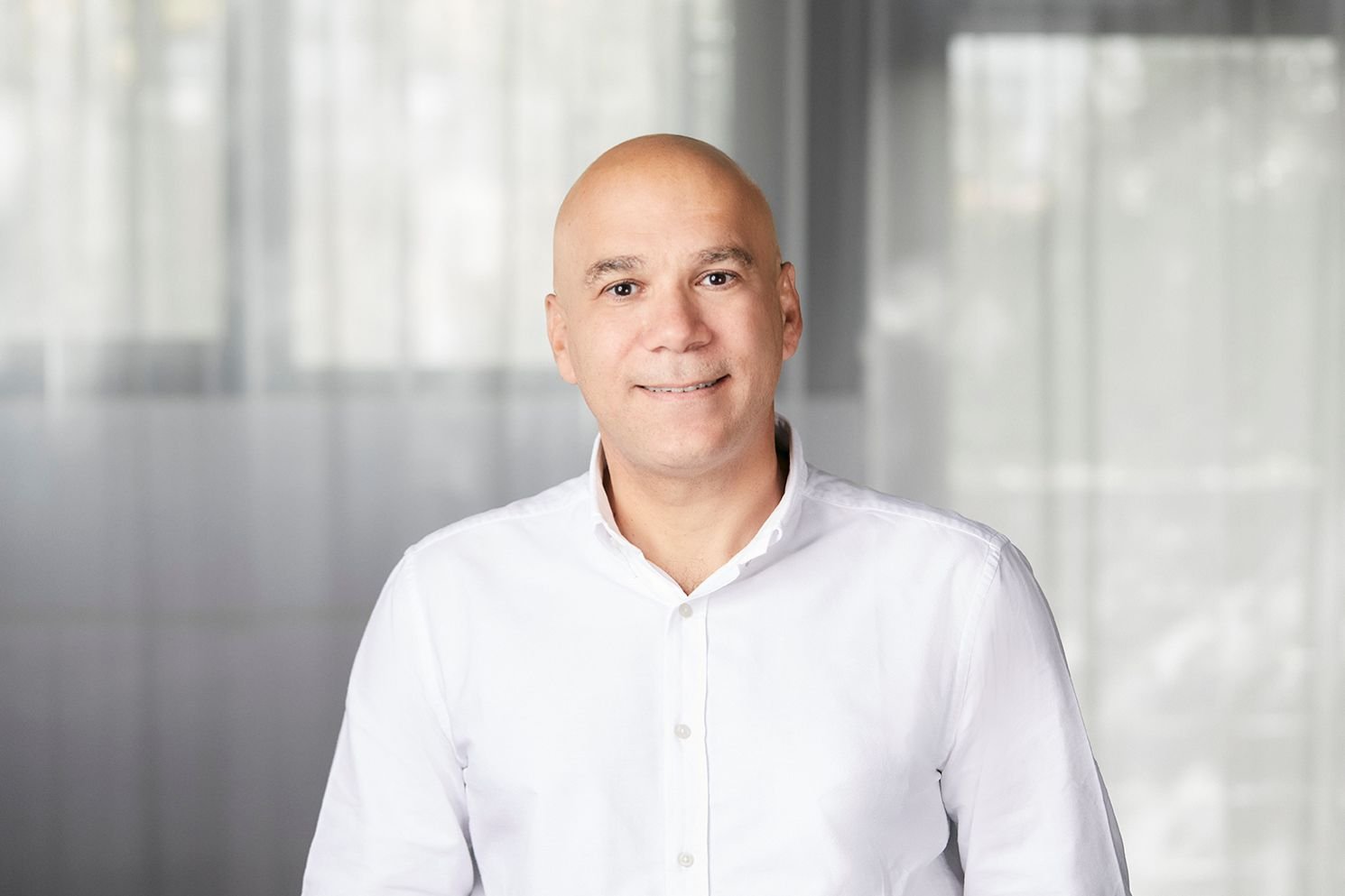

(L-R) Simon Rosof, Head of Asia Pacific Region, Bayer Pharmaceuticals; Dr Maria Borentain, Global Vice President and Head of Cardiovascular and Renal Clinical Development, Bayer; Michael Hodin, Chief Executive Officer, Global Coalition on Aging; and Prof Nathan Vytialingam, President, Malaysian Healthy Ageing Society, at Longer Lives, Better Years: Reimagining Healthcare for Asia Pacific, a Bayer media event held alongside the Silver Economy Forum 2026 in Kuala Lumpur.
Asia Pacific has won the longevity race. The harder question now is whether it can win the health race that comes with it.
That was the message from Bayer at Longer Lives, Better Years: Reimagining Healthcare for Asia Pacific, a media event held alongside the Silver Economy Forum 2026 at the Kuala Lumpur Convention Centre. Hosted by the Global Coalition on Aging (GCOA) and the Malaysian Healthy Ageing Society (MHAS) on 11 and 12 November, the forum is taking place in Asia Pacific for the first time.
Bayer, joined by clinicians and ageing specialists, called for earlier diagnosis, effective treatment and far greater investment in prevention. The shift they describe is simple to state and hard to deliver: stop waiting for chronic disease to become an emergency, and start finding it while it is still quiet.
The first step they asked for is one any reader can take today. Every adult over 40, Bayer said, should know three numbers: blood pressure, cholesterol and blood sugar.
“Asia Pacific is going through one of the fastest demographic shifts in the world. We need to make sure that longer lives are also healthier lives. That means finding disease earlier, treating it effectively and recognising prevention as an investment in people, health systems and economies. The time to act is now.” Simon Rosof, Head of Asia Pacific Region, Bayer Pharmaceuticals
|
THE NUMBERS AT A GLANCE 1.3 bn people in Asia Pacific will be over 60 by 2050, one in four of the population 61% of global stroke deaths occurred in Asia in 2020, about 4.1 million people; forecast to rise to 69% by 2050 10.7 yrs spent in poor health by the average person worldwide, up from 8.8 years in 1990 ~9 in 10 deaths in the Western Pacific Region are now caused by heart disease, stroke, diabetes and cancer 4.2% of Malaysia's GDP lost to non-communicable diseases every year (RM64.2 billion) |
The gap between living long and living well
New global research shows that the extra years being added to human lives are not all good ones. A Global Burden of Disease study published in The Lancet Public Health in July 2026 found that people worldwide now spend an average of 10.7 years in poor health, up from 8.8 years in 1990. The gap widened in 203 of the 204 countries and territories studied.
Even the region's top performer is not immune. Singapore now leads the world in both life expectancy and healthy life expectancy, yet its gap has also grown as its people live longer. Across Asia Pacific, someone who reaches 60 can expect to lose almost five years, roughly a quarter of the life they have left, to disease and disability.
The silent build-up
Chronic disease is the main driver. Heart disease, stroke, diabetes and cancer now account for nearly nine in ten deaths in the Western Pacific Region, and many of the conditions behind them develop for years without a single symptom.
Malaysia offers a telling snapshot. The National Health and Morbidity Survey 2023 found that about one in three adults has high cholesterol, and more than half of them do not know it. That is the hidden risk that routine midlife checks are designed to catch.
“Most people think ageing is about living longer. The real challenge is staying healthier for longer. Every year we diagnose heart disease, kidney disease or diabetes earlier, and every stroke we prevent, is a year someone stays at work, at home and out of hospital. For the millions across this region already living with these conditions, good treatment is what lets them keep living independently.” Dr Maria Borentain, Global Vice President and Head of Cardiovascular and Renal Clinical Development, Bayer
Stroke: Asia's sharpest warning sign
If there is one condition that captures what is at stake, speakers agreed, it is stroke. Asia accounted for 61% of the world's stroke deaths in 2020, about 4.1 million people. By 2050, that share is forecast to reach 69%, or roughly 6.6 million deaths a year. Globally, one in four adults will have a stroke in their lifetime.
High blood pressure is the leading risk factor for stroke across Asia, with diabetes usually in second place. Both are measurable, and both are treatable long before they cause harm.
Stroke is also striking younger than many people assume. In Malaysia, someone has a stroke roughly every 13 minutes, and about 40% of patients are under 60, many of them still working and raising families.
For survivors, the danger does not end with the first event. Between 10% and 16% have another stroke within a year, and recurrence rates have barely moved since the late 1990s. Dr Borentain pointed to research that is now challenging that stubborn picture: a large international trial of a new approach to preventing secondary stroke, published in the New England Journal of Medicine in April 2026. The study enrolled more than 12,000 patients across 37 countries, including over 3,500 in Asia Pacific, a sign of how central the region has become to cardiovascular research.
Prevention as an economic strategy
The economic argument may prove even more persuasive to policymakers than the medical one. Stroke alone costs the world more than US$890 billion a year, a figure projected to climb to US$2.31 trillion by 2050. As workforces shrink across ageing Asian economies, every year of good health matters to national output as much as to individual families.
Host country Malaysia shows the scale clearly. Non-communicable diseases cost the country RM64.2 billion (about €14.0 billion) a year, equal to 4.2% of GDP. Strikingly, four-fifths of that cost is lost productivity rather than healthcare spending, which means the biggest bill for chronic disease is paid outside the hospital.
“Longevity is the great achievement of our time, and Asia Pacific is where that story is moving fastest. Whether those extra years are healthy, active and productive depends on the choices governments, industry and communities make now. The countries that treat healthy longevity as an investment in their economy, as well as their health system, will be the ones that thrive.” Michael Hodin, Chief Executive Officer, Global Coalition on Aging
Four shifts that could change the outlook
Panellists agreed on four changes that would turn longer lives into healthier ones across the region:
One change for the next 12 months
To close the panel, each speaker named the single change they would most like to see across the region within a year.
|
Speaker |
The one change they want in the next 12 months |
|
Simon Rosof, Bayer |
Closer partnership between governments, clinicians and industry, so innovation reaches patients across Asia Pacific sooner |
|
Prof Nathan Vytialingam, MHAS |
Every adult over 40 knows three numbers: blood pressure, cholesterol and blood sugar |
|
Dr Maria Borentain, Bayer |
Every stroke survivor knows the risk of a second stroke can be reduced, and talks to their doctor about it |
|
Michael Hodin, GCOA |
Governments put healthy longevity into their economic plans, not only their health plans |
“Living longer is a gift, and families everywhere want those years to be good ones. The most useful thing anyone can do this year is simple. Go for a health check, know your numbers, look after your eyes as well as your heart, and take your parents with you.” Prof Nathan Vytialingam, President, Malaysian Healthy Ageing Society
Why it matters
What stood out in Kuala Lumpur was the reframing. For decades, chronic disease in Asia has been treated as a cost to be managed once patients arrive at hospital. The case made at the forum is that the region's ageing curve is now too steep for that model to hold, and that the real returns lie in midlife screening, sustained treatment and secondary prevention, measured in productive years kept rather than budgets spent.
The timing adds weight. The forum comes as the world passes the halfway mark of the United Nations Decade of Healthy Ageing, which runs to 2030, and as Asia Pacific edges closer to being home to one of the largest older populations on the planet. The Silver Economy Forum 2026 continues at the Kuala Lumpur Convention Centre on 12 November, bringing together policymakers, industry and experts to discuss how healthy longevity can drive economic growth.