
Singapore - Mitochondria, the tiny structures inside our cells that generate energy, may play a key role in autism spectrum disorders (ASDs). A provocative new study by Children's Hospital of Philadelphia (CHOP)'s pioneering mitochondrial medicine team suggests that variations in mitochondrial DNA (mtDNA) originating during ancient human migrations may play an important role in predisposition to ASDs.
"Our findings show that differences in mitochondrial function are important in ASD," said study leader Douglas C. Wallace, PhD, director of the Center for Mitochondrial and Epigenomic Medicine at CHOP. "Our team demonstrates that a person's vulnerability to ASD varies according to their ancient mitochondrial lineage."
Wallace and colleagues, including Dimitra Chalkia, Larry Singh and others, published their findings today in JAMA Psychiatry.
The scientists conducted a cohort study of genetic data from 1,624 patients and 2,417 healthy parents and siblings, representing 933 families in the Autism Genetic Resource Exchange (AGRE). The Center for Applied Genomics at CHOP had previously performed genome-wide association studies on this AGRE cohort, and partnered in this study.
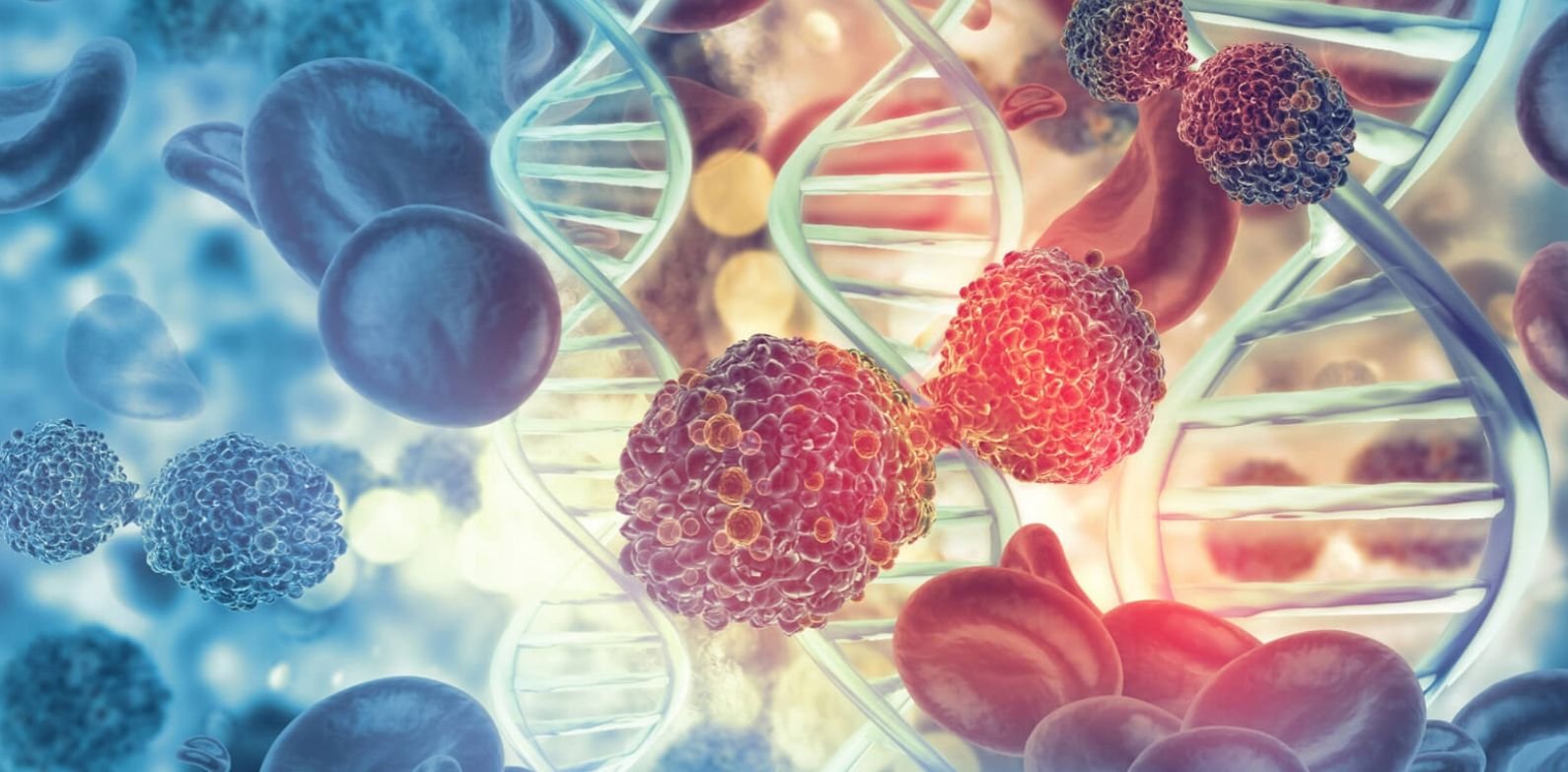
Mitochondria contain their own DNA, distinct from the more familiar nuclear DNA (nDNA) inside the cell nucleus. The mtDNA codes for essential genes governing cellular energy production, and those genes exchange biological signals with nDNA to affect our physiology and overall health.