
Dana-Farber Cancer Institute and the Broad Institute conduct the largest analysis to date that evaluates the role of DNA copy number alterations across several types of cancer
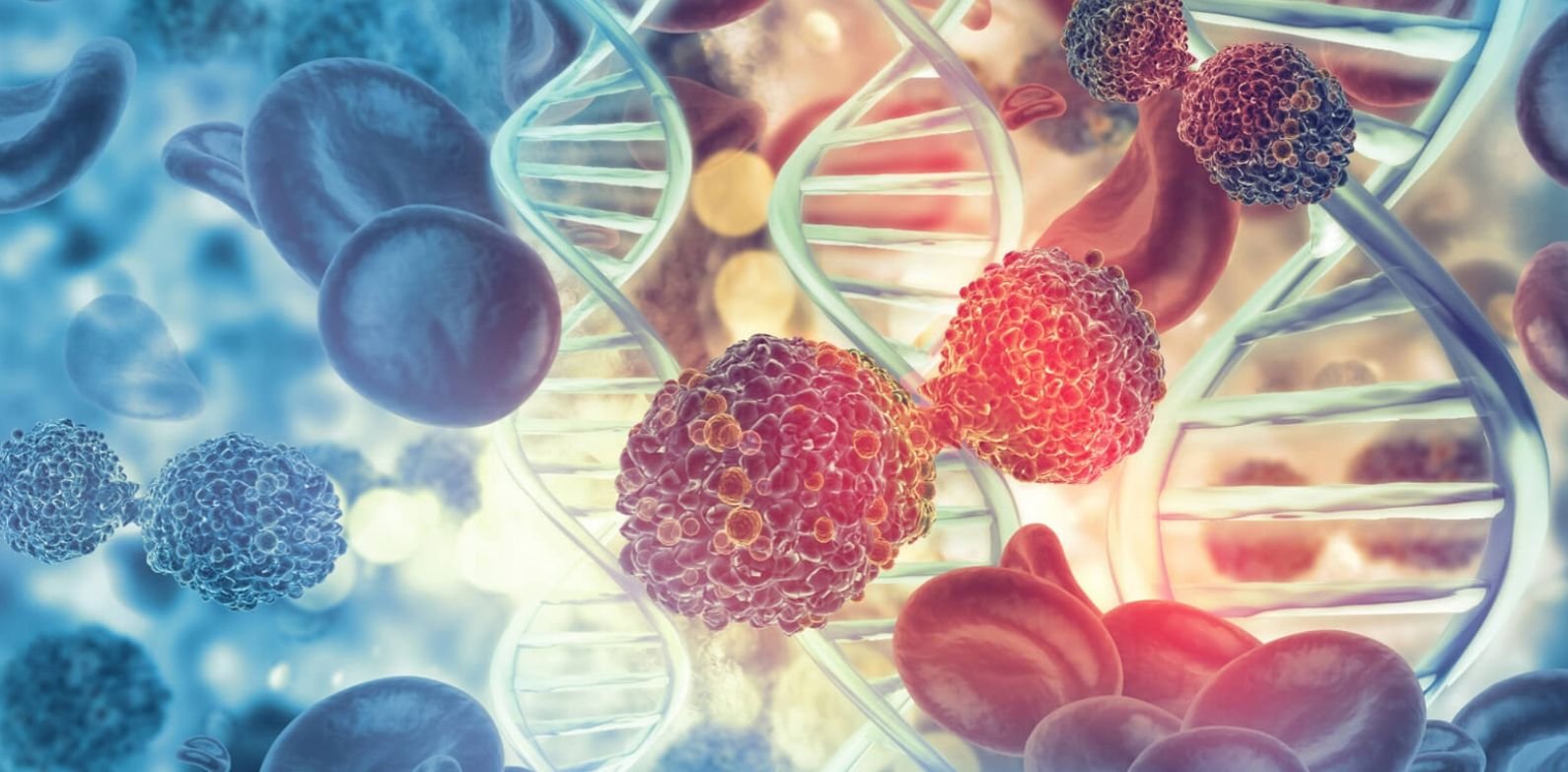
Singapore: Scanning the DNA of nearly 5,000 tumor samples, a team led by scientists at Boston-based Dana-Farber Cancer Institute and the Broad Institute, has identified 140 regions of scrambled genetic code believed to contain many undiscovered cancer genes.
The researchers said that mapping of the abnormal regions gives cancer scientists a starting point from which to search for yet undiscovered oncogenes and broken tumor-suppressor genes, which allow cells to divide and grow uncontrollably.
The authors said the analysis is the largest to date to evaluate the role of DNA 'copy number alterations' across several types of cancer. Normal cells carry two copies of the 20,000 genes that make up the genome. The genomes of cancer cells typically are riddled with areas where genetic sequences are duplicated or deleted; in fact, copy number alterations affect more of the genome than any other DNA abnormality in cancer. The study's goal was to identify patterns of copy number alterations and determine how they promote cancer.
Dr Rameen Beroukhim, assistant professor of Medicine at Dana-Farber and an associate member of the Broad Institute, said that in the survey of 4,934 cancers of 11 types, "We found that cancers often undergo doubling of the entire genomes, followed by large numbers of smaller copy number alteration events."
Dr Beroukhim also added, "We also saw a propensity of copy number changes to occur at telomeres and they exhibit features indicating they arise from different mechanisms than copy number changes of regions within chromosomes."