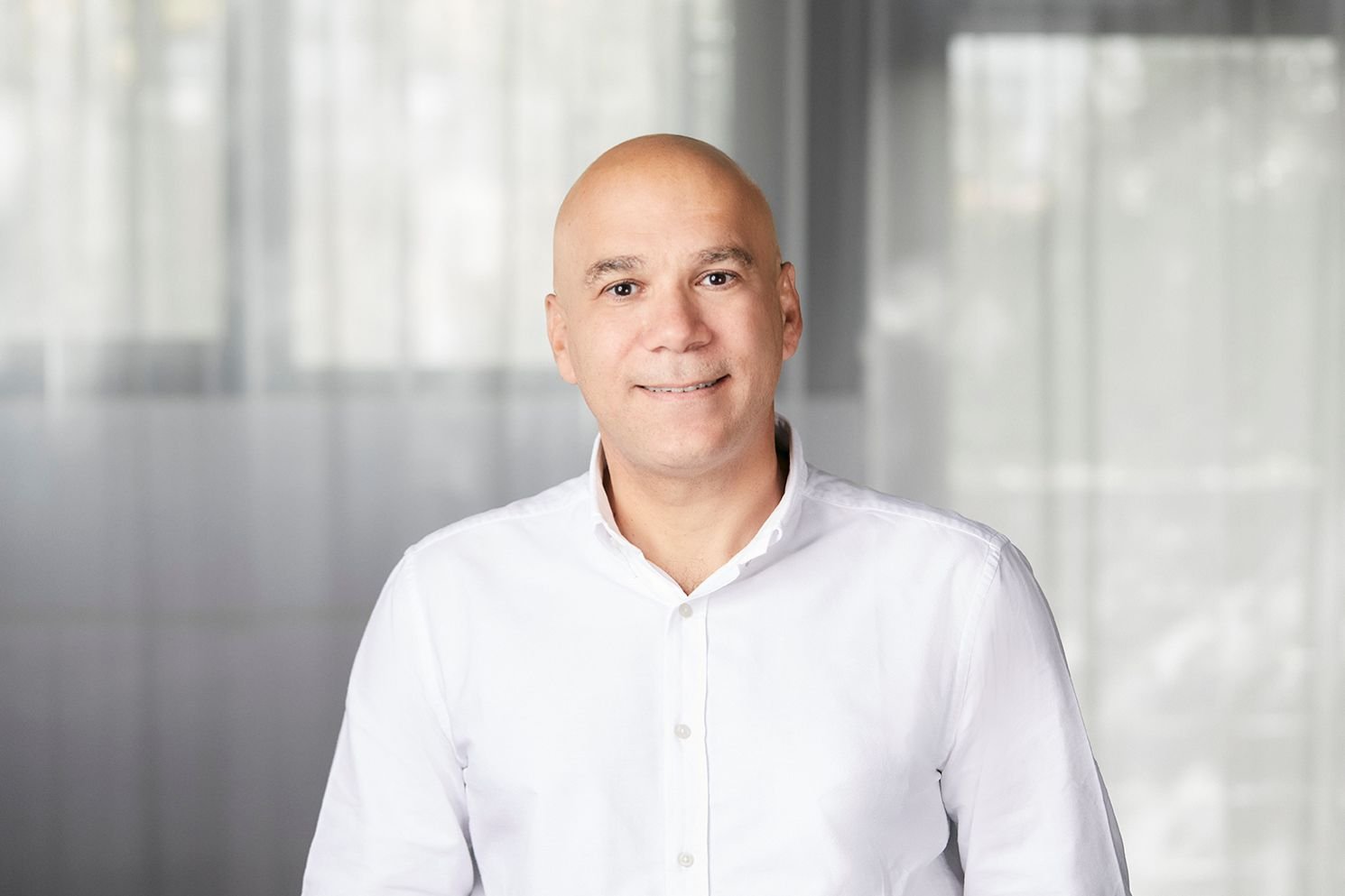

--Charles River Laboratories’ third-quarter results offer CEO Birgit Girshick stronger evidence of improving demand across its core testing businesses. The company delivered its second consecutive quarter of organic revenue growth, increased adjusted earnings per share by 27.2% and raised its full-year outlook. However, the results also require careful interpretation: reported revenue declined, portfolio changes contributed to margin expansion, and tax reserve reversals accounted for much of the sharp increase in statutory profit.
For the quarter ended 26 September 2026, Charles River reported revenue of $982.7 million, down 2.2% from $1,004.9 million a year earlier. The decline primarily reflected businesses divested in May.
Excluding acquisitions, divestitures and foreign currency movements, revenue grew 4.7%. That distinction is central to understanding the quarter. Charles River’s remaining operations generated growth even as disposals reduced the size of its reported revenue base.
Birgit Girshick, Chief Executive Officer, said, “In the third quarter, we were encouraged by the continued strength of the biopharmaceutical demand environment and that was reflected in our financial results. Revenue and earnings per share outperformed our prior expectations, DSA net 3 bookings and proposals continued to show robust, year-over-year increases, and we continued to make meaningful progress towards our strategy and long-term financial targets. We see significant opportunities to continue to strengthen Charles River’s position as a leading scientific partner for regulated testing across the drug development continuum. Through our Pathway to Purpose strategy, we are building a more agile, client-centric organization that will deepen client relationships, expand engagement across our portfolio, and increase our share of R&D spend as demand trends continue to improve."
Discovery and Safety Assessment, Charles River’s largest segment, generated revenue of $596.3 million. Reported revenue declined 0.7%, principally because of the disposal of certain European Discovery Services sites, but organic revenue increased 5.9%.
Higher study volumes for regulated safety assessment services drove the improvement. The segment’s adjusted operating margin increased to 26.8%, from 25.4%, supported by operating leverage and lower sourcing costs for large research models.
This combination of higher organic revenue and stronger adjusted profitability provides a clearer indication of operational progress than the group’s headline statutory earnings. Increased study activity is helping Charles River spread costs across a larger volume of work.
The performance also explains why better-than-expected results in this segment were a principal contributor to the upgraded annual guidance.
Manufacturing Solutions delivered revenue of $178.9 million, down 6.2% on a reported basis following the CDMO divestiture. Organic revenue nevertheless increased 7.4%, supported by strong demand in Biologics Testing Solutions and Microbial Solutions.
The segment’s adjusted operating margin rose to 38.6%, from 26.7%. Charles River attributed this substantial expansion primarily to the CDMO disposal.
The implication is that two developments are occurring together: demand is growing in the retained businesses, while the portfolio reshaping has improved the segment’s profitability profile. The margin increase should therefore be assessed alongside the changed business mix, rather than treated entirely as an improvement in like-for-like operating efficiency.
Research Models and Services presented a more cautious picture. Revenue declined 2.8% to $207.5 million, while organic revenue fell 0.6%.
Lower revenue from small research models in North America and from large research models outweighed growth in China’s small research models business and research model services, particularly Insourcing Solutions.
Adjusted operating margin slipped to 24.4%, from 25.0%, reflecting an unfavourable revenue mix.
These results show that the recovery is not yet consistent across the portfolio. Safety assessment and manufacturing-related testing are providing momentum, but Research Models and Services continues to face pressure.
Charles River’s GAAP net income increased to $333.1 million, from $54.4 million, with diluted earnings per share rising to $6.86, from $1.10.
However, the quarter included a $245.6 million benefit, equivalent to $5.06 per share, associated with the reversal of acquired tax reserves. The scale of this benefit means the statutory earnings increase should not be read as a comparable rise in recurring operating performance.
Adjusted results provide a more measured view. Non-GAAP net income increased 24.8% to $150.1 million, while adjusted diluted earnings per share rose 27.2% to $3.09. The adjusted operating margin increased by 330 basis points to 23.0%.
These figures still demonstrate meaningful improvement, driven by higher operating profitability and a lower tax rate. They also show why distinguishing operational gains from exceptional accounting benefits is essential to assessing the quarter.
Charles River now expects full-year organic revenue growth of at least 1.5%, compared with its previous forecast of 0%–1.0%. It raised adjusted earnings per share guidance to $11.35–$11.55, from $11.15–$11.45.
Reported annual revenue is still expected to decline by 1.5%–2.0%, reflecting the impact of divestitures.
Alongside the financial improvement, the company is advancing its Pathway to Purpose strategy through laboratory digitalisation, manufacturing automation and alternative testing methods. Initiatives include automated Endosafe cartridge manufacturing, the Apollo Orchestrate laboratory workflow capability and next-generation sequencing within a rapid cell banking programme.
These investments align with Girshick’s ambition to deepen client relationships and capture a greater share of research and development spending. Their financial contribution, however, will need to emerge through sustained revenue growth, productivity and client adoption.
Charles River exits the quarter with stronger underlying demand and improved adjusted profitability. The next test for Girshick is to sustain that progress across a broader proportion of the business, while demonstrating how scientific and operational investments translate into durable growth.