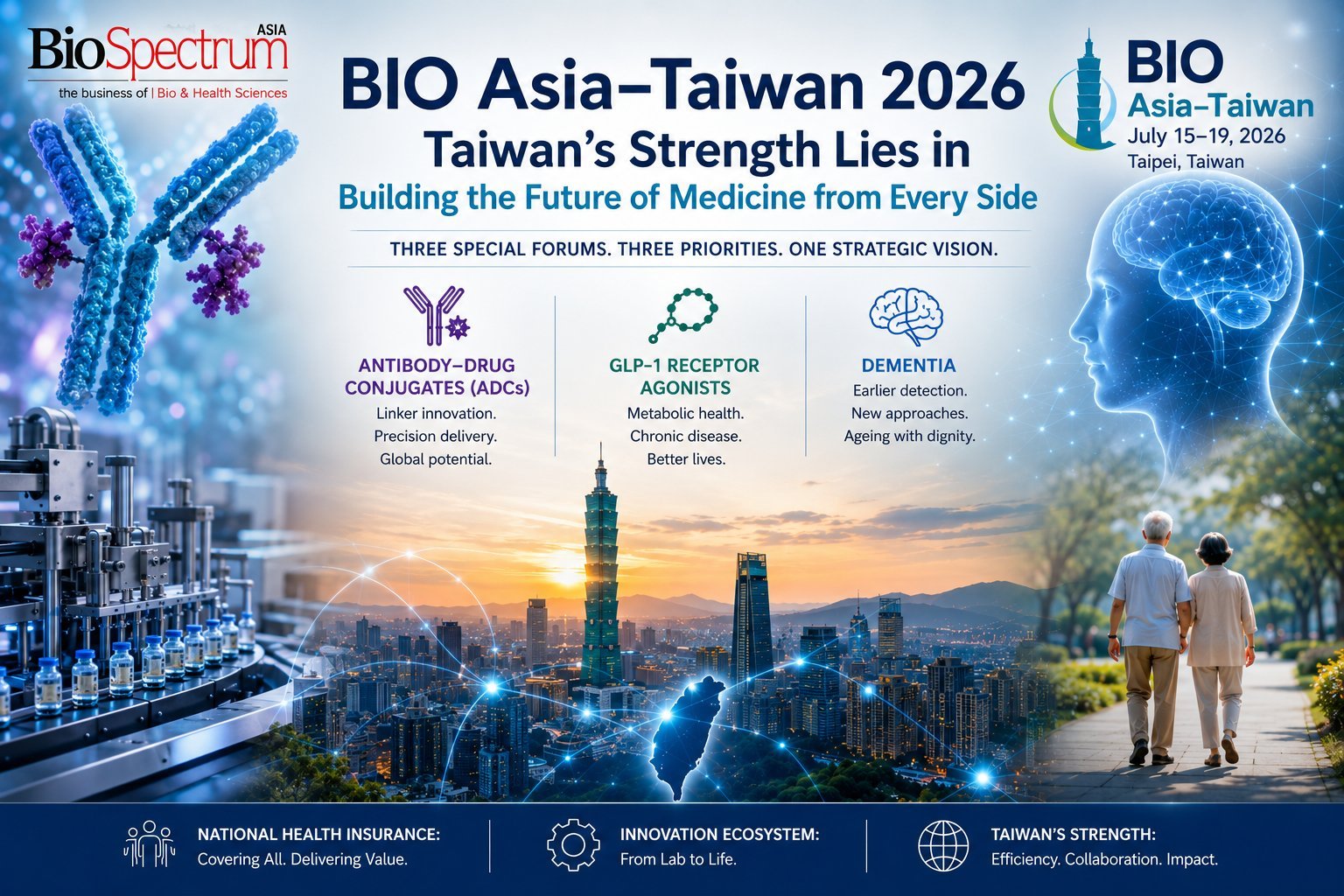

ADCs are highly complex molecules that were initially developed to allow highly potent cytotoxic agents to be selectively delivered to cancer cells by way of antibodies that find and bind to a specific antigen on cancer cells. The therapeutic payload is attached to the antibody using a linker, which ensures the payload is not released until once inside the target cell. The combination of these three components requires careful consideration as altogether they span both biologics and small molecules across a broad range of guidelines, including ICH. Some regulatory agencies have developed ADC-specific guidelines, for example the US FDA’s Clinical Pharmacology Considerations for Antibody-Drug Conjugates Guidance and China NMPA’s Technical Guidance for Antibody-Drug Conjugates, though as yet, these are not mirrored across health authorities in all regions, and addressing national nuances in global development of ADCs remains challenging.
ADCs developed for oncology indications, have an opportunity to maximise on several regulatory designations including those for serious unmet medical need or rare cancers. Key strategic considerations include agency engagement, prompt request for designations that highlight breakthrough therapies, and the assessment of pathways which accelerate time to approval.
The early and regular connection with agencies aids valuable education of ADCs and allows for a clear understanding of the molecule and its path to market. Scientific advice addressing the complex nature of these hybrid molecules are essential to enable early alignment on technical aspects including non-clinical study requirements in defining relevant animal models and data, CMC strategies with focus on the various ADC components, and dose optimisation.
The US FDA’s Project Optimus dose optimisation initiative should also be mentioned, especially taking into account the bigger challenge of dose optimisation for ADCs when compared with antibodies or small molecules alone. More broadly, consideration should be given to the dose approach, moving away from Maximum Tolerated Dose towards identifying the optimal dose to maximise efficacy whilst minimising toxicity.
Several ADCs have utilised Breakthrough therapy designations or equivalent fast track statuses in countries across the globe, including in Asian markets, Japan’s SAKIGAKE Designation System (Pioneer Drugs) being one. These designations are certainly worth considering as part of the regulatory strategy as they can facilitate prioritised fast-track review and accelerate development timelines.
Orphan Designation may also be a valuable route as it offers several incentives including accelerated review processes and a period of market exclusivity which has been leveraged by some of the recently authorised ADCs.
Accelerated pathways support the early approval of drugs for serious life-threatening diseases, allowing for conditional approval of the molecule before the completion of phase III trials. Beyond national pathways, Project Orbis, which facilitates concurrent submission and review of oncology products among international partners (Australia, Brazil, Canada, Israel, Singapore, Switzerland and United Kingdom) has also played a part in approval of several ADC compounds. Project Orbis participation is certainly worth considering for streamlining review across multiple countries. When benefitting from an accelerated approval process and path to market, it is to be noted that confirmatory trials and/ or post-marketing surveillance requirements are often stipulated to collect further or real-world safety and efficacy data.
With further discoveries of new indications for existing ADCs, potential new disease applications such as for autoimmune diseases, novel cytotoxic payloads, or the emergence of bispecific ADCs, regulatory guidelines and strategies to market for ADCs will remain a hot topic for many years to come.
Dr Eilidh Mayer, Regulatory Strategy Director, ICON