

Mr Narayanan Suresh is the Chief Editor of BioSpectrum
It is the repeat of the Swine Flu panic that spread fear around the world five years ago. The new pandemic is MERS (Middle East Respiratory Syndrome), a corona virus strain that seems to have emerged from Saudi Arabia and then spread to many parts of the world, aided partly by air travel. More than 720 people have been infected by the virus so far and nearly a third of the infected patients (280) have died.
What has raised the alarm at this time of the year is the annual Hajj pilgrimage when millions of devout
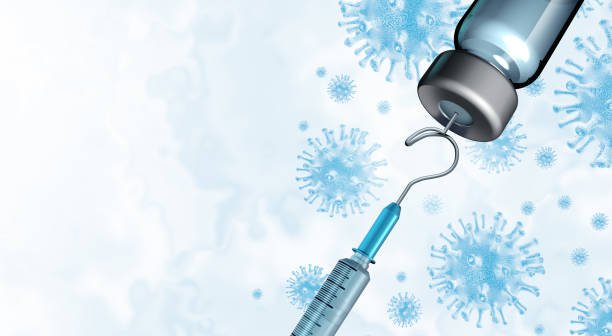
Muslims converge at the holy shrine. There is fear that many pilgrims may catch the MERS infection and take it back to their countries and further spread it. Saudi government has developed a vaccine which may be administered during this year's pilgrimage season and somewhat control it.
While the global concerns about the spread of this disease are legitimate, given how the world is interconnected these days, are we overplaying the issue? The past decade has witnessed two major disease outbreaks - the SARS (Severe Acute Respiratory Syndrome) and the Swine Flu syndrome, both caused by different strains of the influenza virus. SARS had its origin in China in 2002 and created a panic, grounded travel around the world for some time before petering out.
Similarly, the Swine Flu had its origin in a remote Mexican village in 2008 and caused immense panic. In between, there was also the fear of avian influenza spread by migratory birds. Eventually, all the scary predictions of the global spread of the disease turned out to be false and the world has moved on with few hundred casualties in each of these cases. In fact, the World Health Organization (WHO) had been accused by many independent observers of adding to the panic at the behest of vaccine manufacturers in the West. Nothing concrete has emerged so far to buttress these claims.
However, the Swine Flu episode has added many positive benefits to the global society. WHO and other agencies identified companies in Asia, equipped them with capabilities to manufacture vaccines against influenza and trained hundreds of personnel to be ready to tackle whenever an epidemic takes place. This is has been a great achievement as the complex technology to make influenza vaccine was not widely available till then. Governments have also learnt to crank up their machinery when there is an actual outbreak.
Human ingenuity and the will to tackle major disease outbreaks may once again make MERS end in a whimper in the coming years. Most probably, humanity will be better off from this disease outbreak if it happens as feared now.
Another major incident that is attracting global attention is the revelation of more murky details from the ongoing GSK bribery saga in China. The Chinese leadership of GSK had been hauled up for bribing public officials to sell their drugs at inflated prices to patients and the healthcare systems. Now reports have emerged about the use of narcotic drugs and supply of sexual favors and other such things in the whole episode. Similar scandals have been indulged in by other Big Pharma companies too in China.
What happened in China may not be an exception. A global inquiry into the unethical conduct of the pharma industry around the world is need of the hour.