
CBRNE@Changi
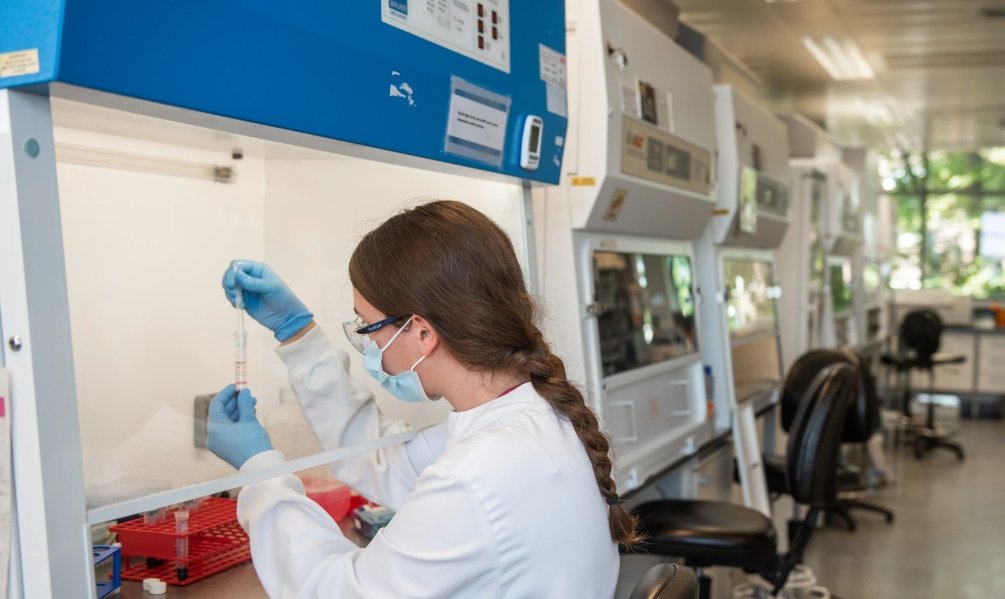
Singapore has launched a new Chemical, Biological, Radiological, Nuclear, and Explosives (CBRNE) laboratory near Changi Airport to enhance its preparedness for future pandemics. The facility, named CBRNE@Changi, is strategically located within the Changi Airfreight Centre to reduce response times for screening air cargo and address evolving security threats.
The lab was designed based on lessons from the COVID-19 pandemic, as highlighted by Coordinating Minister for National Security K Shanmugam during a tour of the facility. He emphasized that the state-of-the-art setup ensures Singapore is equipped to handle future pandemics without the delays experienced during earlier crises.
Previously, cargo swab samples from Changi Airport had to be sent to HTX’s Woodlands Checkpoint Lab for testing, which was time-consuming. The new facility enables the Immigration and Checkpoints Authority (ICA) to quickly pass samples to the Home Team Science and Technology Agency (HTX) for on-site, real-time processing, improving detection and response times. The proximity to the airport is a key advantage, as it allows for faster and safer sample handling. According to HTX, airports are ideal for early pathogen detection due to the high volume of people and goods passing through daily.
The new lab strengthens border security by enabling higher screening throughput with improved accuracy and quicker responses to potential threats, as noted by Senior Assistant Commissioner Siew Chui Lin of ICA.
CBRNE@Changi is Singapore’s fourth such facility, joining existing labs in the northern, southern, and western parts of the country. It was developed with support from ICA and Changi Airport Group.
During a pandemic, the lab will serve as a first responder, processing samples until commercial labs can assist. Unlike during COVID-19, when CBRNE screening was halted to prioritize clinical testing, the new facility is designed to run both CBRNE and clinical testing concurrently without conflict. This capability addresses a critical shortcoming identified during the earlier pandemic, as explained by HTX CBRNE Centre of Expertise Director May Ong.
Innovative Lab Design:
Outside of pandemics, the lab will focus on research and development to enhance Singapore’s border security. It features a designated CBRNE area for day-to-day operations, a separate clinical workflow area for pandemic preparedness research, and a FAST Lab for developing new capabilities.
The facility can also be reconfigured to provide additional testing capacity during emergencies. To ensure readiness, the lab is applying for a licence under the Healthcare Services Act. In the event of a pandemic, it can be operational within 48 to 72 hours after sterilization and preparation.
The facility’s layout is optimized for efficiency during pandemics. For instance, the testing process in the clinical workflow area is fully digitized, with an RFID system enabling the registration of 96 samples at once—a significant improvement over manual handling.
To prevent cross-contamination, the corridor between pandemic and non-pandemic operation areas can be sealed off. This thoughtful design reflects Singapore’s broader transformation of its security infrastructure, as noted by Minister Shanmugam.
The launch of CBRNE@Changi underscores Singapore’s commitment to leveraging lessons from COVID-19 to build a more resilient and responsive system for managing future health and security challenges.