

A University of Melbourne industry collaboration has been awarded $2.1 million by the Australian Government to build a quantum-enabled platform to support faster discovery and development of therapies for neurological diseases, including Alzheimer's.
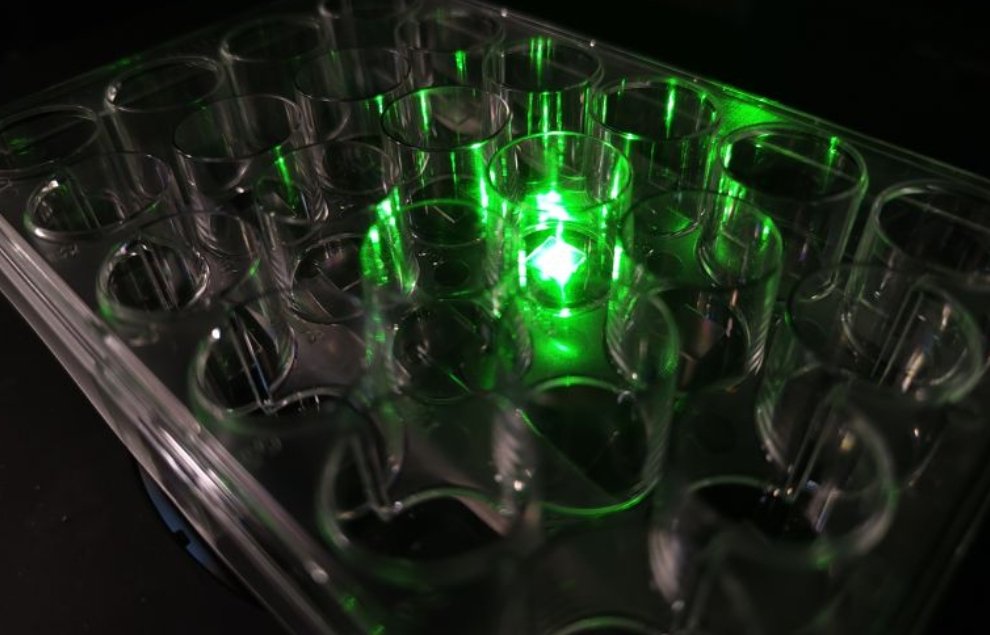
The University has formed a consortium with technology companies Chromos Labs, Tessara Therapeutics, Quantum Brilliance and Axol Biosciences to develop a quantum-enabled platform that measures real-time electrical activity from 3D human neural micro-tissues (known as brain-on-chip technology).
The ‘quantum-enabled platform for neurological drug development’ is one of eight quantum technology projects awarded a total of $12.7 million from Stage Two of the Critical Technologies Challenge Program (CTCP) to develop a working prototype of their platform.
University of Melbourne Associate Professor David Simpson said the funding would help fast-track the development and commercialisation of the technology.
Neurological drug development remains one of the highest-risk areas in biopharma, in part because many preclinical models do not reliably predict human outcomes.
By using brain-on-chip technology, the consortium aims to help researchers assess treatment responses faster and speed up the development pipeline for new therapies.
University of Melbourne Deputy Vice-Chancellor (Research) Professor Mark Cassidy AM said the project shows the value of interdisciplinary collaborations that bring discovery-based research into the entrepreneurial ecosystem.