Analytical Characterisation Strengthens Biologics Development FROM Molecule To Market,
March 10, 2026 | Tuesday | News | By Ankit Kankar | ankit.kankar@mmactiv.com
At the APAC Biomanufacturing Leadership Summit 2026 presented by Charles River, Zelle Biotechnology Managing Director Anurag Tulsyan highlights the critical role of analytical science in ensuring quality, regulatory confidence, and efficient biologics development.

Anurag Tulsyan,Managing Director, Zelle Biotechnology
At the APAC Biomanufacturing Leadership Summit 2026 presented by Charles River, Zelle Biotechnology Managing Director Anurag Tulsyan highlights the critical role of analytical science in ensuring quality, regulatory confidence, and efficient biologics development.
Biologics development has entered a new phase of scientific and regulatory complexity, where the ability to understand and control molecular characteristics determines the success of a therapeutic programme. Speaking at the APAC Biomanufacturing Leadership Summit 2026 presented by Charles River, Anurag Tulsyan, Managing Director of Zelle Biotechnology, emphasised that analytical characterisation has become the backbone of modern biologics development.
In his session titled From Molecule to Market: Analytical Characterisation as the Backbone of Biologics Development, Tulsyan explained that the journey of a biologic product is defined not only by discovery and manufacturing capability but by the depth of analytical insight applied throughout the development lifecycle.
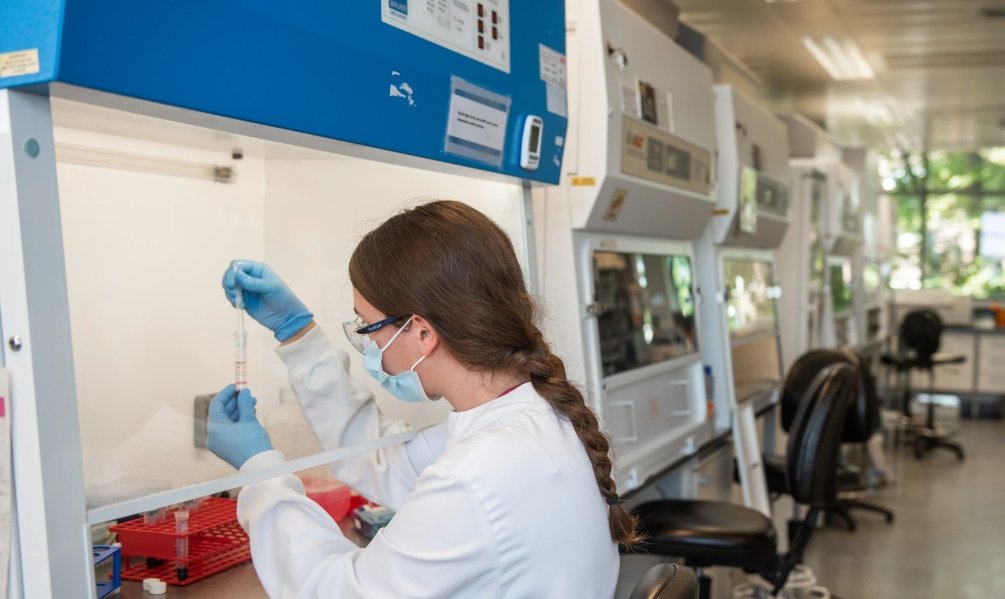
He noted that biologics such as monoclonal antibodies, recombinant proteins, and emerging modalities require sophisticated analytical techniques to fully understand their structural and functional attributes. These analyses help ensure product consistency, stability, and regulatory compliance from early development through commercial manufacturing.
Tulsyan highlighted that regulatory authorities increasingly expect a comprehensive understanding of product quality attributes. Analytical characterisation allows developers to define critical quality attributes, monitor process variability, and demonstrate comparability across development and manufacturing stages.
According to Tulsyan, analytical science also plays a vital role in accelerating development timelines. Advanced analytical platforms enable researchers to detect product variations early, optimise manufacturing processes, and reduce risks associated with scale up and technology transfer.
He also emphasised that as biologics pipelines expand globally, companies must adopt integrated analytical strategies that combine advanced instrumentation, data driven analysis, and regulatory aligned quality frameworks. This approach enables organisations to move from molecule discovery to clinical development and commercial production with greater confidence.
Another important theme of the session was the growing role of analytics in supporting complex biologics such as biosimilars and next generation antibody therapies. Robust analytical comparability studies are essential for demonstrating biosimilarity and ensuring that therapeutic performance remains consistent across manufacturing batches.
Tulsyan further pointed out that collaboration between analytical scientists, process engineers, and regulatory teams is becoming increasingly important. By aligning these capabilities early in the development process, companies can build more reliable manufacturing platforms and accelerate the path to market.
The session reinforced a key message for the global biopharmaceutical industry. In an era where biologics are becoming more sophisticated and regulatory expectations are rising, analytical characterisation is no longer a supporting function. It is a strategic capability that underpins quality, speed, and global market success in biologics development.
About The Event
This session was part of the APAC Biomanufacturing Leadership Summit 2026 presented by Charles River, a leadership forum bringing together biopharmaceutical manufacturers, CDMOs, biotechnology innovators, investors, and regulatory experts from across the Asia Pacific region.
The summit focuses on advancing discussions around next generation biomanufacturing, regulatory readiness, advanced analytics, and global collaboration required to support the rapidly evolving biologics and advanced therapy landscape.
Through keynote presentations, expert panels, and technical sessions, the event highlights strategies that strengthen Asia Pacific’s role as a critical node in the global biopharmaceutical manufacturing ecosystem.
For more information visit https://events.criver.com/event/APAC2026/summary.