
The University of Sydney has marked the formalisation of its relationship with the Timor-Leste Ministry of Health, recognising the success of a landmark cervical cancer elimination programme and committing to ongoing support for women’s health in Timor-Leste.
The memorandum of understanding (MoU), signed by University of Sydney Vice-Chancellor and President, Professor Mark Scott AO, and José dos Reis Magno, Vice Minister for Institutional Strengthening in Health in the Timor-Leste Ministry of Health, was exchanged in a formal celebration in Sydney.
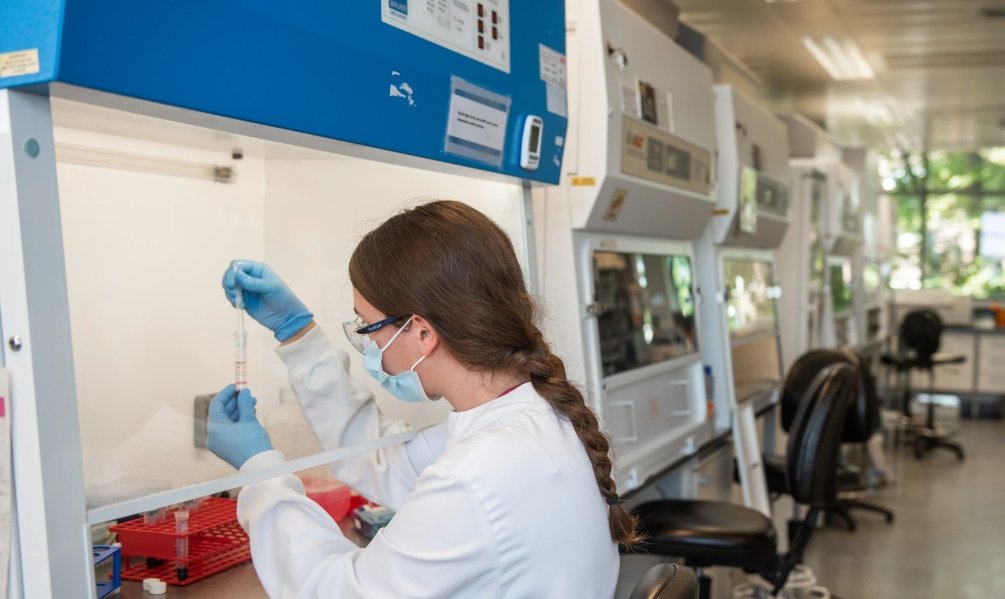
It underpins the delivery of the Elimination Partnership in the Indo-Pacific for Cervical Cancer (EPICC) programme in Timor-Leste, where the programme has been supporting rollout of Human papillomavirus (HPV) screen-and-treat services since 2025.
Professor Scott said the programme’s success to date reflects the power of research when combined with government leadership.
“Cervical cancer remains a leading cause of death in women in many Indo-Pacific countries. Thanks to research co-led by the Cancer Elimination Collaboration team at the University of Sydney, there is now an evidence-based global strategy for its elimination,” said Professor Scott. “With the generous support of our funders in the Australian Government and the Minderoo Foundation, and the leadership of in-country partners such as the Timor-Leste Ministry of Health, we’re working together to translate the research into outcomes.”
Dr Elizabeth Leto Mau, Director General of Primary Health Care in the Timor-Leste Ministry of Health said: “For a young nation like Timor-Leste, partnerships of this nature are transformative. They allow us to strengthen national systems, and apply world-class evidence and innovation in ways that are adapted to our local context.”