
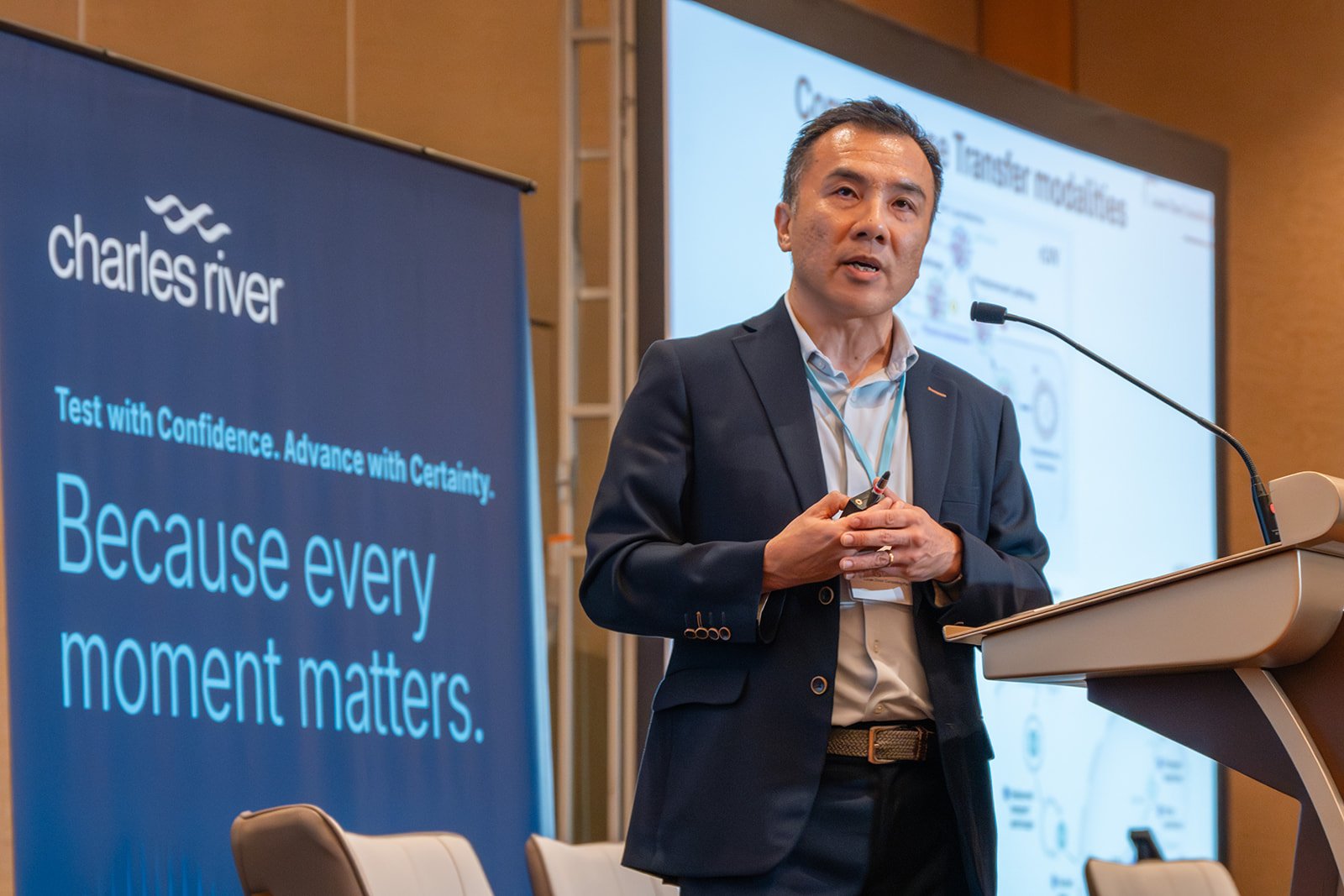
Cell and gene therapies are transforming the therapeutic landscape, offering the potential to treat previously intractable diseases through highly targeted and personalised interventions. However, the rapid scientific progress in this field is also introducing significant regulatory and manufacturing challenges. Speaking at the APAC Biomanufacturing Leadership Summit 2026 presented by Charles River, Lucas Chan, PhD, Principal Consultant at Lucas Chan Consulting Pte Ltd and Adjunct Associate Professor at the National University of Singapore, explored the evolving regulatory and chemistry, manufacturing, and controls frameworks shaping cell and gene therapy development.
In his session titled Regulatory and CMC Challenges in CGT Products, Chan explained that cell and gene therapies differ fundamentally from traditional biologics. Their complex biological nature, personalised manufacturing processes, and limited clinical datasets often require regulators and developers to adopt new approaches to quality assessment and regulatory oversight.
Chan emphasised that one of the central challenges in CGT development lies in establishing robust and reproducible manufacturing processes. Unlike conventional biologics that rely on standardised production platforms, many CGT products involve patient derived cells, viral vectors, or complex genetic modifications. This introduces variability that must be carefully managed through rigorous process controls and analytical characterisation.
He also noted that regulatory agencies globally are working to balance innovation with patient safety. Authorities increasingly expect developers to demonstrate a clear understanding of critical quality attributes, process consistency, and long term product stability. This requires developers to integrate regulatory strategy, manufacturing science, and analytical capability from the earliest stages of product development.
Another key theme of the session was the importance of scalable manufacturing models. As cell and gene therapies move from early clinical trials to commercialisation, companies must ensure that manufacturing platforms can support larger patient populations without compromising quality or regulatory compliance.
Chan further highlighted the growing role of regulatory science and international collaboration in shaping CGT development pathways. Harmonisation of regulatory frameworks across regions can help reduce complexity for developers and accelerate patient access to advanced therapies.
The session also underscored the need for strong collaboration between regulators, biotechnology companies, academic researchers, and manufacturing specialists. Such partnerships are essential for addressing the scientific, operational, and regulatory challenges associated with advanced therapies.
As the CGT field continues to mature, Chan concluded that success will depend on building integrated development strategies that combine innovative science with rigorous regulatory and manufacturing frameworks. By strengthening these capabilities, the industry can accelerate the safe and efficient delivery of transformative therapies to patients worldwide.
About The Event
This session was part of the APAC Biomanufacturing Leadership Summit 2026 presented by Charles River, a leadership forum bringing together biopharmaceutical manufacturers, CDMOs, biotechnology innovators, investors, and regulatory experts from across the Asia Pacific region.
The summit focuses on advancing discussions around next generation biomanufacturing, regulatory readiness, advanced analytics, and global collaboration required to support the rapidly evolving biologics and advanced therapy landscape.
Through keynote presentations, expert panels, and technical sessions, the event highlights strategies that strengthen Asia Pacific’s role as a critical node in the global biopharmaceutical manufacturing ecosystem.
For more information visit https://events.criver.com/event/APAC2026/summary.