

BASF, Cargill and Novozymes join hands to make Acrylic acid
Singapore: BASF, Cargill and Novozymes signed an agreement to develop bio-based technologies to produce acrylic acid from renewable feedstocks. Presently, acrylic acid is produced by the oxidation of propylene derived from the refining of crude oil. The annual global market volume of acrylic acid is around 4.5 million tons with a value of $11 billion at the end of 2011. The market has been growing at a rate of four percent per year.
Novozymes and Cargill have collaborated on renewable acrylic acid technology since 2008. Both companies have worked to develop microorganisms that can efficiently convert renewable feedstock into 3-hydroxypropionic acid (3-HP), which is one possible chemical precursor to acrylic acid. BASF has now joined the collaboration to develop the process for conversion of 3-HP into acrylic acid.
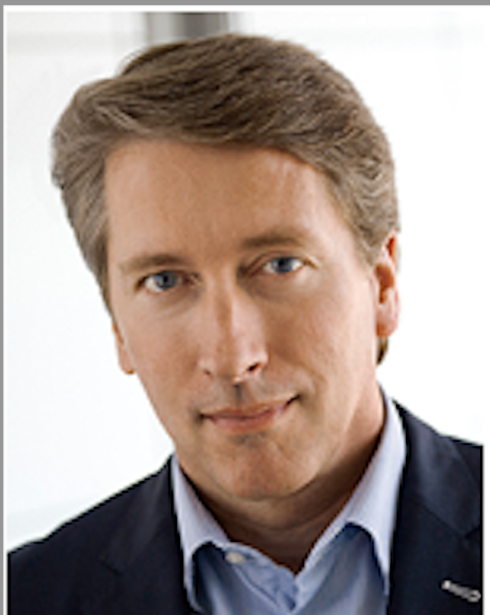
Mr Michael Heinz, member, board of executive directors, BASF, said that, "The cooperation combines BASF's global market strength and innovation power with the excellent know-how and competencies of Novozymes and Cargill who are global leaders in their respective industry segments. Together we are uniquely positioned to more sustainably meet market and society needs."
Mr Steen Riisgaard, CEO, Novozymes, said that, "BASF and Cargill are global leaders in their industries and we are very excited to partner with them. By offering bio-based alternatives to fossil-based products we will take a big step towards a more sustainable economy."
Dr Chris Mallett, corporate VP, R&D, Cargill, said that, "Cargill is pleased to bring its global expertise in sourcing renewable feedstocks and large-scale fermentation to this collaborative project. The work with BASF and Novozymes underscores our commitment to developing innovative new technologies that help our customers meet their business objectives."