
How would you assess the current state of Thailand's life sciences ecosystem, and what key developments have stood out over the past few years?
Thailand’s life sciences ecosystem is at an important inflection point. Over the past five to seven years, the country has strengthened its clinical research foundations, supported by increasing regulatory alignment and ongoing improvements in study execution. Adoption of ICH-GCP standards, alongside more structured and improving approval processes, though still variable across institutions, has enhanced Thailand’s reliability as a clinical trial destination.
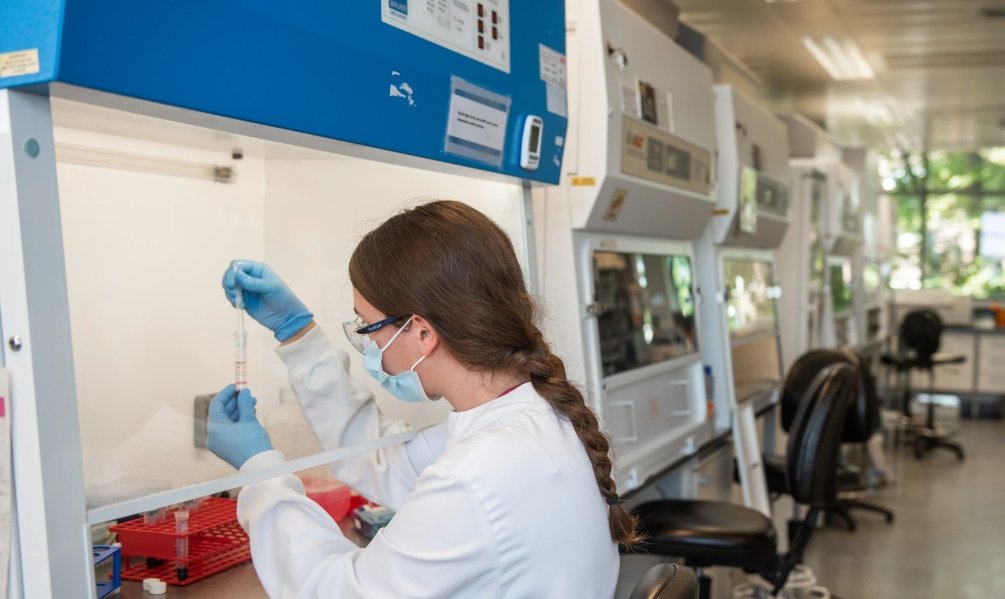
Research infrastructure has also progressed, particularly within leading tertiary hospitals, where dedicated research units are increasingly supported by electronic systems and patient registries. These developments have contributed to more efficient trial delivery and improved data quality.
However, progress remains uneven. While Thailand performs strongly as a clinical execution market, broader ecosystem elements, such as translational research, funding, and innovation pathways are still developing. As a result, Thailand is best characterised as a high-quality clinical execution hub that is gradually transitioning toward a more innovation-driven model.
From ICON's perspective, what are Thailand's strongest advantages as a destination for clinical research and life sciences investment?
Thailand’s competitive strength lies in its ability to consistently deliver high-quality clinical trials at scale. This is supported by strong patient access, experienced investigators, and cost efficiency. The country’s disease profile aligns well with global research demand- particularly in areas such as oncology, metabolic diseases, and infectious diseases, enabling reliable patient recruitment for large-scale studies.
Thailand benefits from a well-established investigator base with extensive experience in multinational trials and strong familiarity with international standards. Combined with increasingly capable site infrastructure, this enables efficient and dependable trial execution.
How competitive is Thailand compared to other Southeast Asian markets in attracting global clinical trials and life sciences investments?
Thailand occupies a strong and well-balanced position within the Southeast Asian landscape. It offers a more established clinical research infrastructure and greater operational consistency than several regional markets, while remaining more cost-effective than more advanced hubs such as Singapore.
Compared with countries such as Vietnam, Indonesia, and the Philippines, Thailand benefits from mature site infrastructure, strong investigator networks, and relatively consistent regulatory processes. This makes it particularly well suited for trials that require dependable delivery and high data quality.
At the same time, competition across the region is increasing. Singapore continues to lead in early-phase development and overall innovation ecosystem maturity, while markets such as Malaysia are strengthening their capabilities, supported by proactive policy frameworks and government incentives.
In this context, Thailand’s competitive advantage lies in its position as a high-value, reliable execution market. Sustaining and advancing this position will require continued investment, particularly in areas where the ecosystem remains less developed.
Looking ahead, what opportunities do you see for Thailand to strengthen its position within the broader ASEAN life sciences ecosystem?
Thailand’s next phase of growth will be defined by its ability to expand early-phase clinical development, particularly Phase I capabilities. While historically focused on mid-to-late phase trials, industry trends suggest that Phase I is one of the fastest-growing segments, reflecting increasing sponsor demand for early-stage development.
Thailand also has the opportunity to differentiate through precision medicine and disease specialisation, supported by early-stage genomics initiatives and unique epidemiological strengths. From a strategic perspective, the country’s opportunity is to build a more balanced clinical development ecosystem, complementing its established strengths in execution with expanded early-phase capabilities. Strengthening Phase I capacity represents a high-impact, near-term lever, while continued investment across infrastructure, talent, and scientific platforms will be essential for long-term competitiveness.
Ayesha Siddiqui