

There are three key areas changing the face of life sciences globally – precision medicine, artificial intelligence (AI) and digital health.
What all three have in common is their dependency on the collection of large data sets, which we believe will inevitably drive the first trend we are looking out for in 2024: biotech companies improving the quality and efficiency of their data collection. Initiatives on our watch list include JoinUs and SHARE which are focused on more efficient approaches to clinical trial enrolment where the objective is to obtain the patients’ consent for their health records to be added to a database from which researchers can find potential participants.
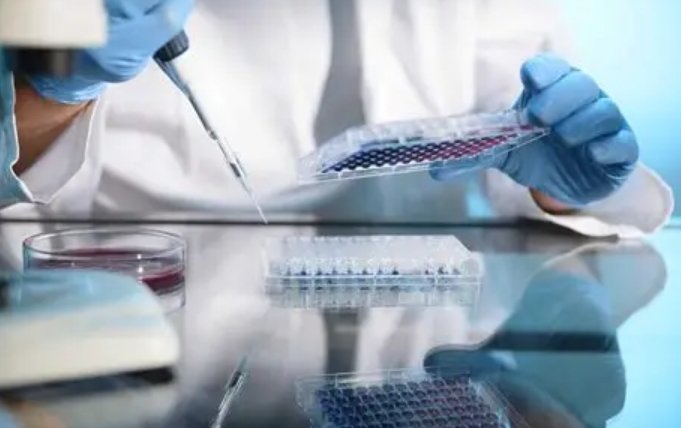
A second trend particularly close to Trajan, is the decentralisation of healthcare through the adoption of microsampling technologies. The primary objective of microsampling is to make home blood collection accurate, safe, and efficient, bringing health monitoring out of the hospital or GP and to a place of convenience for the patient. Many new collection devices on the market overcome the limitations of dried blood spots which were prone to volumetric errors. Coupled with advanced analytical techniques such as high-performance liquid chromatography tandem mass spectrometry (LC-MS/MS), hundreds to thousands of analytes can be extracted and analysed from blood microsamples with great specificity, leading to substantial progress in precision medicine research projects.
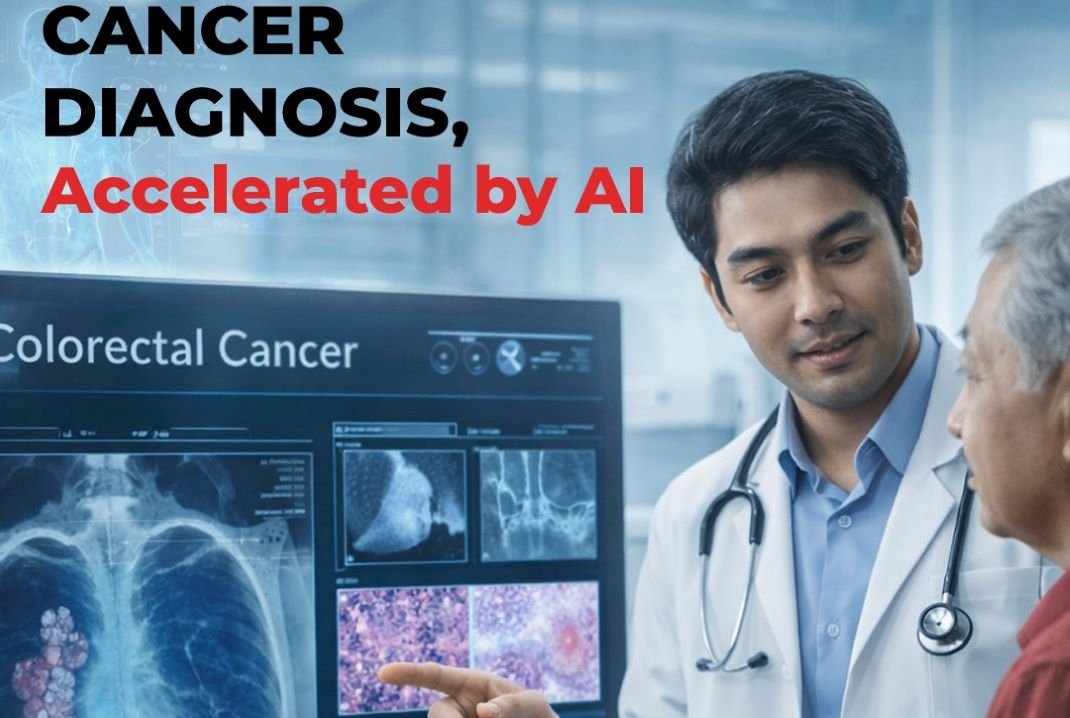
Precision medicine is our third trend to watch as we increasingly see the amalgamation of different “omics” data sets from genomics, proteomics, lipidomics and metabolomics to personalise treatment plans for individuals. In combination with AI and machine learning in data analysis, large data sets can be analysed measuring hundreds to thousands of different biomarkers to identify patterns and provide valuable insights into disease risk such as cardiovascular disease and cancer. We are also watching the emerging trend of monitoring the concentration of environmental pollutants such as the per- and polyfluoroalkyl substances (PFAS) in blood microsamples, again using “state-of-the-art” LC-MS/MS. The persistence of PFAS in the environment and known adverse effects on human health remains a serious concern beyond 2024 globally.
Finally, while the adoption of wearables and digital health is not a new trend, how we align the various health and wellness applications to complement precision medicine is certainly on our watch list. Smartwatches are increasingly sophisticated, collecting aspects of an individual’s health including fitness, nutrition, and real-time heart data. Clinical trials are now asking the participant for consent to access their wearable data to overcome one of the major drawbacks in trials which are dependent on subjective participant entries.
In summary, trends to watch are ones that support personalised, preventative healthcare, including high quality collection of samples, and the trends in data analysis resulting from the sensitive measurements of thousands of molecules by LC-MS/MS. These systems have the capacity to generate enormous amounts of personalised data, and coupled with advances in AI and machine learning, could identify disease risk long before traditional healthcare needs to intervene.
Dr Andrew Gooley, Chief Scientific Officer, Trajan Scientific and Medical, Australia