
RoosterBio and Qkine have entered a distribution agreement to provide U.S. customers with a single-source platform for cells, bioprocess media and recombinant growth factors.
The partnership gives advanced therapy developers access to RoosterBio’s cellular starting materials, engineered bioprocess media and exosome production solutions, alongside Qkine’s high-purity, animal-origin-free recombinant growth factors, cytokines and bioactive proteins.
This is relevant because cell therapy, exosome therapy and regenerative medicine developers rely on complex raw materials that can affect product quality, potency, manufacturability and cost of goods. Fragmented sourcing can slow development and create variability when programmes move from research into GMP manufacturing.
Under the agreement, U.S. customers can order Qkine’s full range of research-use-only growth factors and cytokines directly from RoosterBio. The companies said the partnership is intended to simplify access to critical ancillary materials for process development.
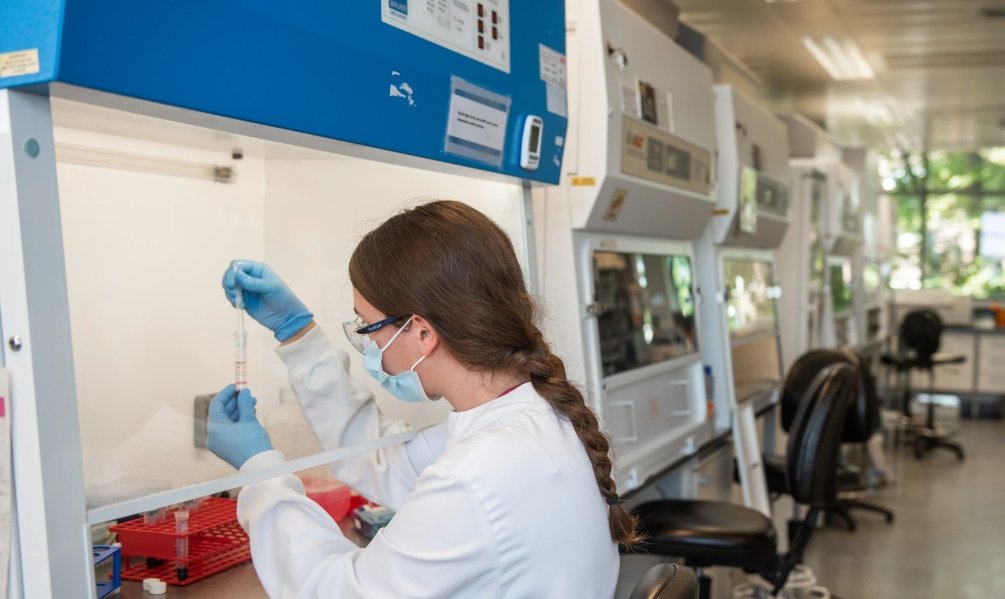
RoosterBio supplies cellular starting materials and bioprocess systems for human mesenchymal stem/stromal cells, induced pluripotent stem cells and exosome therapeutic developers. Its platform is designed to help developers move from concept to manufacturing more quickly and at lower cost.
Qkine manufactures recombinant proteins using proprietary production processes and advanced protein engineering. Its products are intended to support demanding cell and exosome workflows where purity, consistency and animal-origin-free sourcing are important.
A key part of the collaboration is translation readiness. The companies said the RUO products used in development are manufactured to be consistent with corresponding GMP-grade materials, supporting smoother transition into large-scale GMP manufacturing.
This is commercially relevant because raw material changes can create regulatory and manufacturing challenges as advanced therapy programmes mature. Developers that can align early development materials with future GMP supply may reduce requalification work, comparability issues and delays.
The partnership also addresses growing demand in fields such as 3D stem cell models, organoids, cell therapy, regenerative medicine, organ-on-a-chip systems and exosome product development. These areas require specialised biological inputs and scalable workflows, especially as more programmes move toward clinical translation.
Adoption will depend on developer confidence, material quality, regulatory documentation, supply reliability, cost and the ability to support both early-stage research and later GMP transition. Advanced therapy developers often need partners that can provide technical support, not only catalogue products.
The development reflects how the advanced therapy sector is becoming more industrialised. As cell, stem cell and exosome-based products move toward clinical and commercial stages, standardised raw material platforms may become an important part of reducing development risk and improving manufacturing scalability.