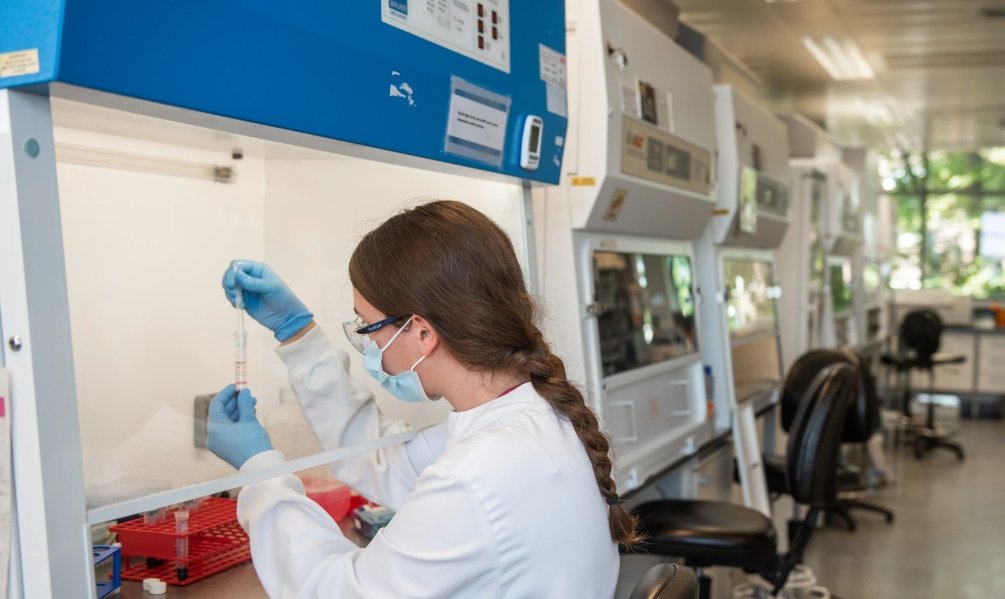

The Yong Loo Lin School of Medicine, National University of Singapore (NUS Medicine) has announced a research partnership with MitoQ New Zealand to examine the potential role of MitoQ® (mitoquinol mesylate), a mitochondria-targeted antioxidant, in supporting healthy ageing.
Building on existing scientific literature, the partnership aims to generate evidence on whether MitoQ® can slow or improve markers of biological ageing and support longevity potential. The joint study will also evaluate the effectiveness of biological ageing clocks in assessing health supplements and other interventions more rapidly than conventional long-term clinical trials.
The partnership will enable NUS Medicine researchers to evaluate existing evidence and conduct further clinical studies. Findings from this work are expected to contribute to a more rigorous understanding of mitochondrial biology, ageing processes, and the role of emerging biomarkers in assessing health interventions.
The research work will be conducted in two phases. In the first phase, which is expected to take place from May to September 2026, the team will analyse samples from an existing three month study involving 150 participants, using the LinAge3 biological ageing clock and blood samples. LinAge3 is an algorithm-based tool that provides a practical and accurate measure of biological ageing, enabling prediction of long-term mortality risk over 10- and 20-year horizons, as well as key health outcomes including disease risk and physical and cognitive function.
In the second phase, beginning in July 2026, the team will conduct a controlled trial involving approximately 100 participants, combining questionnaire-based assessments with epigenetic clocks and the LinAge biological ageing clock. This phase will involve the validation of the results through analysis of multiple molecular layers from blood samples. The research is expected to be completed in December 2027, and the findings will guide the team’s plans for further clinical interventions using biological ageing clocks to inform use of supplements such as MitoQ® in a precision nutrition approach.