
image credit- shutterstock
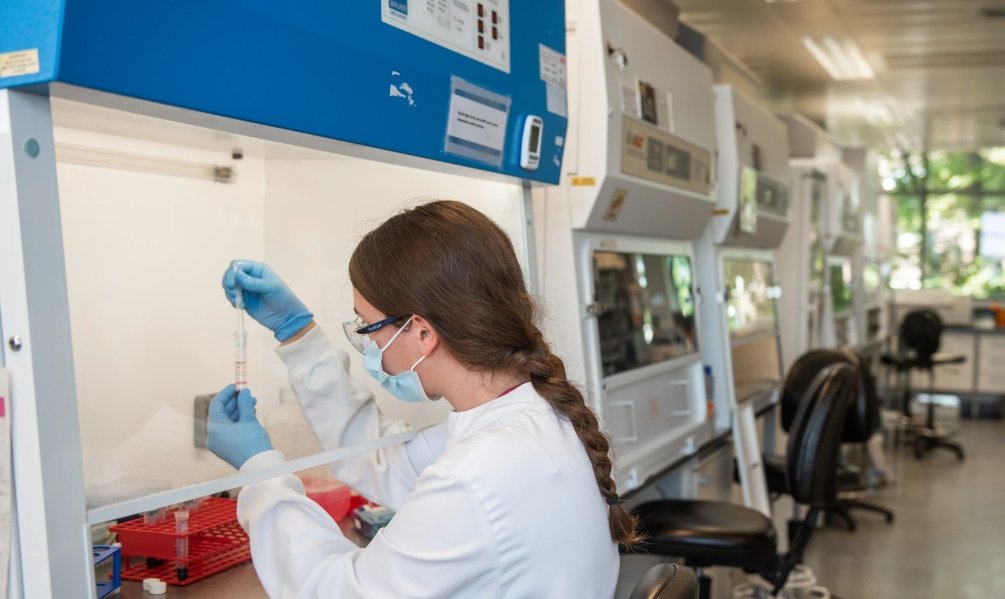
CytoMed Therapeutics, a Singapore-based clinical stage biopharmaceutical startup focused on harnessing its proprietary novel technologies to develop affordable donor-derived cell-based immunotherapies for the treatment of a broad range of cancers, including both blood and solid tumours, has completed with full payment the acquisition of the allogeneic gamma delta T cell technology (termed TCB-002) of TC BioPharm Limited (TCBL), a subsidiary of TC BioPharm (Holdings) PLC.
TCB-002 will complement CytoMed’s strategy to establish a next-generation non-viral allogeneic gamma delta T cell immunotherapy platform to treat cancer and autoimmune diseases. The acquired technology for TCB-002 has previously completed a Phase I clinical trial in Europe and was granted orphan drug designation by the US Food and Drug Administration for the treatment of Acute Myeloid Leukemia.
CytoMed is currently in advanced collaborative discussions with prospective partners to further enhance and repurpose this technology for cancer treatment applications in China and India. This prospective collaboration seeks, amongst other things, to jointly develop and commercialise a new method of manufacturing donor-derived unmodified allogeneic gamma delta T cells. This method does not require the use of living cell. Instead, it uses cytokine that can be manufactured in China at lower cost. Because China currently has strict rules governing the import and export of biological materials, this non-cell-based approach can be more easily used and scaled within China. Allogeneic therapies (cells derived from non-patient donors) have the advantage of treatment speed, accessibility and cost-effectiveness compared to autologous therapies (cells derived from the patient).
CytoMed’s proprietary gamma delta T cell technology and the associated chimeric antigen receptor gamma delta T cell (CAR-γδ T cell) technology have been granted a patent by the China National Intellectual Property Administration (CNIPA). The company is currently conducting an Investigational New Drug (IND) Phase I first-in-human clinical trial in Singapore at the National University Hospital Singapore. It is also pursuing INDs in Malaysia which is rapidly becoming an international medical tourism hub of choice due to its affordable medical facilities.