
image credit- shutterstock
US-based Thermo Fisher Scientific Inc. has announced a strategic collaboration with Precision Health Research, Singapore (PRECISE) to advance the PRECISE-SG100K study, one of the region’s most ambitious and diverse population-scale biobank initiatives.
The collaboration reflects growing investments from national population studies looking to harness proteomics to drive insight into real-time disease biology for application in earlier detection, prevention and personalised care.
As biobanks become central to national health strategies over the next decade, the integration of multi-omic platforms and AI-driven analytics is critical. When applied to high-quality proteomic and clinical data, AI can identify complex biological patterns, improve patient stratification and accelerate the path from discovery to translational insight.
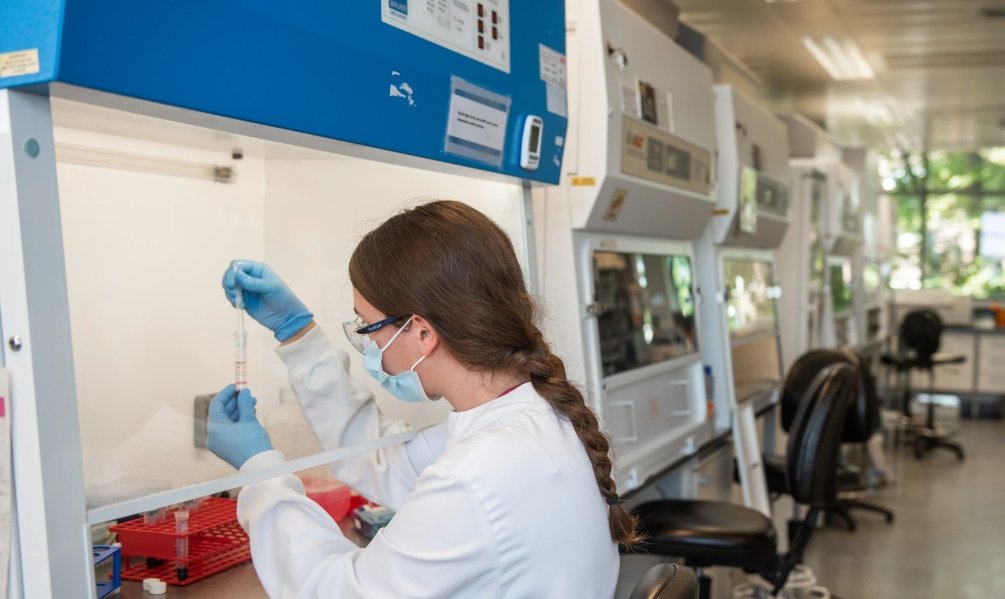
Under the PRECISE-SG100K programme, Thermo Fisher will deploy an integrated proteomics strategy combining its Olink® Proximity Extension Assay (PEA) platforms with the high-resolution Orbitrap Astral mass spectrometry system.
Together, these technologies, along with Seer’s Proteograph® Product Suite, deliver scalable, high-sensitivity, targeted protein measurement with deep, unbiased discovery proteomics, creating a powerful framework for translating large-scale biological data into meaningful novel disease mechanism and biomarker insights.
The PRECISE-SG100K study integrates complementary proteomic technologies in parallel across a large, longitudinal population cohort, an approach that strengthens reproducibility, supports regulatory-grade evidence generation and enhances the long-term translational value. This model reflects the growing recognition of proteomics not only as a discovery tool, but as foundational research infrastructure for precision medicine.
The study is supported by Seer, Inc., as a research collaboration partner and by Novogene, which provides laboratory services in support of sample processing and data generation.