
image credit- shutterstock
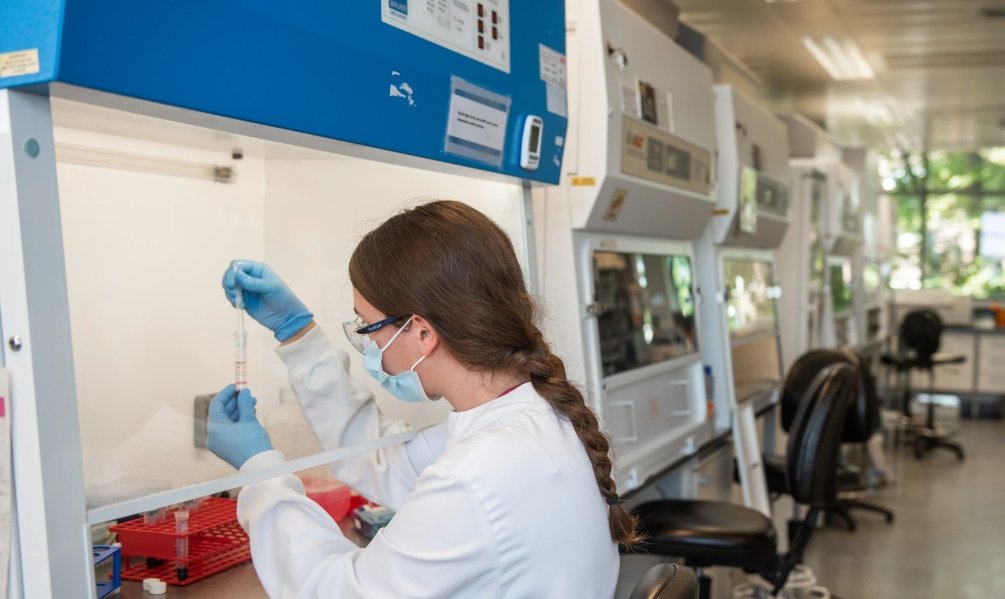
University College London (UCL) and Japanese pharma firm Eisai have signed a new agreement to extend their long-standing collaboration in drug discovery and development for five more years, taking the partnership through to 2030. This alliance reinforces a unique model built on trust, combining academic excellence with industry expertise to accelerate innovation in neuroscience drug discovery, investigating new ways of treating neurodegenerative diseases such as Alzheimer’s, Parkinson’s, Amyotrophic Lateral Sclerosis and other related disorders.
One of the most notable outcomes of the UCL–Eisai collaboration to date is the anti-MTBR tau antibody E2814, which was first discovered as part of collaborative research between the two organisations. The antibody is currently being evaluated in the DIAN-TU Phase II/III Clinical trial for Dominantly Inherited Alzheimer’s Disease (DIAD), as well as the Phase II clinical trial for sporadic early AD (Study 202).
In total, eight drug discovery projects focusing on a variety of therapeutic targets have been supported through a £10 million investment to date, with further investment committed over the next five years as part of the extension.
Over the next five years, the alliance will focus on: