
South Korea-based SK bioscience has announced that it is advancing the development of a Zaire ebolavirus vaccine under a new collaboration supported by Norway's Coalition for Epidemic Preparedness Innovations (CEPI).
The announcement follows a funding agreement between CEPI and global pharmaceutical company MSD to support continued development of a Zaire ebolavirus vaccine. Under the agreement, CEPI will provide up to $30 million in funding to MSD, which will allocate the funding to its development partners, including SK bioscience and Hilleman Laboratories—a joint venture between MSD and Wellcome, a global charitable foundation focused on health research—to carry out key research, manufacturing process improvement and clinical development activities.
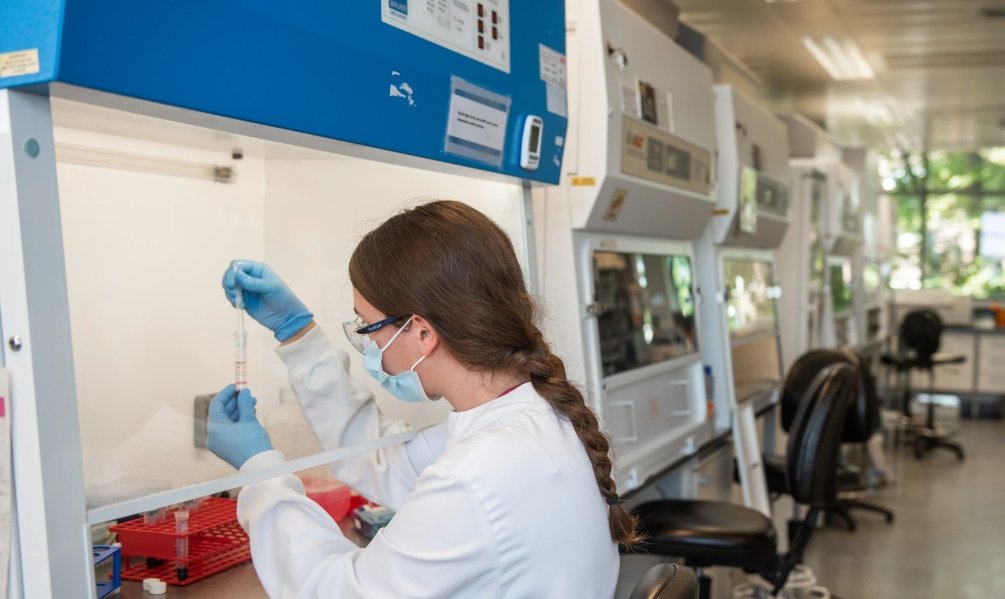
The collaboration builds on MSD’s WHO-prequalified Zaire ebolavirus vaccine and focuses on updating the existing manufacturing process, which is complex and requires ultra-low temperature storage. These requirements pose logistical challenges in the remote, low-resource settings where Zaire ebolavirus outbreaks most often occur. By improving manufacturing yield and enhancing the thermostability of the vaccine, the project aims to support more affordable, accessible, and sustainable vaccine supply, subject to regulatory review and public health requirements.
Under the collaboration, Hilleman Laboratories will lead the clinical development of the updated vaccine. SK bioscience, together with IDT Biologika, will develop the updated drug substance manufacturing process and the associated drug product. As a key implementation partner in the CEPI-backed public health initiative, SK bioscience will leverage its vaccine manufacturing expertise and infrastructure, as well as its collaboration with IDT Biologika. Through this role, the company aims to contribute to improving vaccine affordability, accessibility, and long-term sustainability in low- and middle-income countries.
Zaire ebolavirus is responsible for frequent and unpredictable Ebola outbreaks and is associated with a survival rate of around 50%. Recent outbreaks reported in parts of the Democratic Republic of the Congo and other countries have underscored the continued global risk posed by the virus, particularly in areas with limited healthcare access and logistics infrastructure.