
Once considered a rare disorder, Alzheimer's disease is, now, the sixth leading cause of death across the globe and despite many medical advancements, researchers are still not able to crack open the biologics of the disease, or cure or reverse its effects. With very few approved medicines, Alzheimer's is becoming a global crisis.
For years, understanding the biology and disease progression of Alzheimer's was a major challenge. Currently there are only five approved medications that are being used to treat the disease. These medicines can only improve memory and thinking but do not offer complete cure. With many people falling prey to the disorder every year, scientists are brainstorming on newer therapies and studying genetic aspects that predispose a person to Alzheimer's. One such initiative is Ybrain, a Korean start-up that aims to fix neurodegenerative brain disorders through their novel product, codenamed the 'Y-band'.
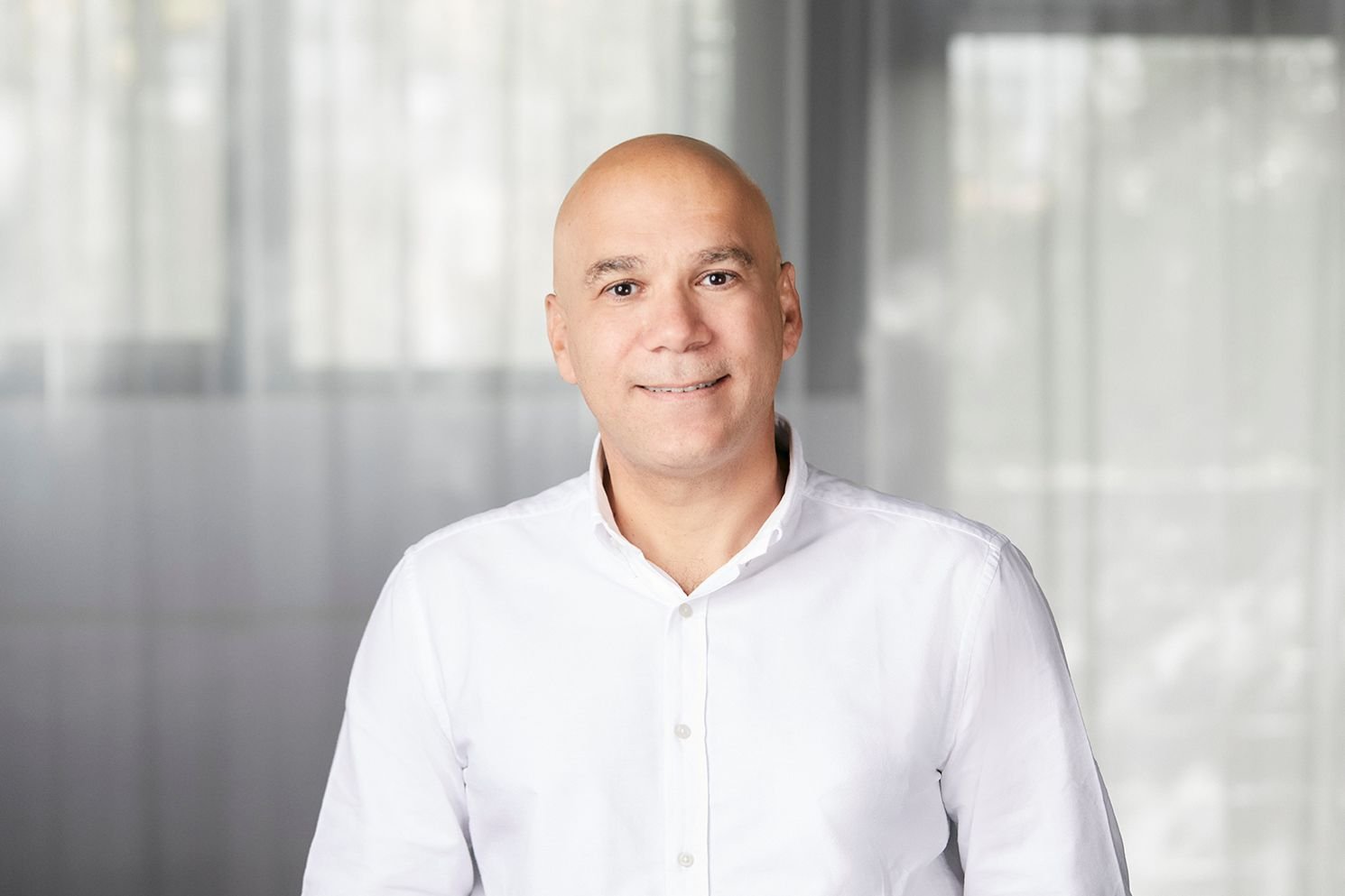
Founded in 2013, by ex-Google and Samsung engineers, Ybrain aims to resolve some of the major un-met global healthcare challenges through digital health platforms. The company is proud of its unique wearable brain device that uses noninvasive stimulation techniques to manage brain diseases. Describing the technology, Mr Suengyeon Kim, COO and co-founder, Y brain said, "We have applied the principles of neuromodulation to develop the world's first wearable device for the brain, which can help alleviate and treat the symptoms of Alzheimer's disease and mild cognitive impairment (MCI)."
Human behavior, memory, learning, and emotions are handled by the frontal lobe of the brain. Problems with the brain involve damage to the frontal lobe and/or parts related to it. So far, brain science has treated or improved a damaged brain by surgically implanting electrodes deep into the brain and electrically stimulating the problematic area. Mr Kim stated, "The last one to two years have seen the advent of brain science technology that stimulates a certain part of the brain by making minute currents flow on the scalp. It was not originally developed to deal with disease, but instead, to apply in entertainment including computer games. Ybrain's technology is innovative as it allows minute currents to flow outside the head, and travel through brain networks to finally reach and stimulate the target areas and improve their function."
Mr Kim further explained, "Yband increases brain-derived neurotrophic factor (BDNF) levels, thereby decreasing beta-amyloid and ultimately reduces the symptoms of Alzheimer's disease. Put differently, the anodic electrical stimulation delivered through the Yband activates brain cells, helps regenerate neurons, facilitates the formation of synapses associated with memory, and thereby helps the brain function better."
Ybrain's technology enables currents to reach the deeper areas of the brain with greater precision and accuracy. The technology may help alleviate symptoms of many diseases concerning brain functions. Yband is easy and simple, and can be used within the comfort of home.
The company has collaborated with the Samsung Medical Center to conduct clinical trials for Yband. They are also working with the FDA to launch Yband into the global markets by early 2015. Mr Kim noted, "We are currently focusing on executing clinical trials to confirm the safety and efficacy of Yband and its application as a medical intervention for Alzheimer's disease. We are building a big data platform using data collected with these devices so that we can expand to predictions and measurements over time on our device efficacy. "
Explaining the safety of the procedure, Mr Kim said that Yband used minute currents of 0.3 mW/kg (it is less than one-sixth of the current produced from a smartphone, which is 2 mW/kg) into the brain.
Mr Kim stated that although many research organizations are actively hunting for medical interventions, more efforts are needed to address this disease that has now taken the form of a global health emergency. He explained, "There have been 3 oral medications approved globally in the last ten years. Industry expects to have new oral medications by 2025. The drugs that are available currently do not target beta amyloid, which is believed to be one of the core causes of Alzheimer's. We have miles to go even on the oral medication side. We think that our device will complement existing medication and will also be a solid option for patients and caregivers."
The company aims to make this technology available worldwide by devising advanced direct marketing strategies. This includes partnering with distributors and specialists in the field. "We believe in strategic collaborations with the pharmaceutical industry that is currently selling oral medications in the market. We have initiated talks with a few global pharmaceutical companies and have received an overwhelming response for our innovation." observed Mr Kim.
The innovation was earlier supported by Angel investors who provided a funding of $700,000. Later, Stonebridge along with DSC investment and Company K Partners have provided series A funding for Ybrain, contributing $3.5 mn.
Alzheimer's disease has significant impact on the patient's social life, family, and economy. People who bear the brunt of the disease eventually become physically and mentally dependent on care-givers. Mr Kim believes that Yband will help in addressing the challenges of Alzheimer's that has daunted researchers, patients, and medical fraternity for millions of years now.