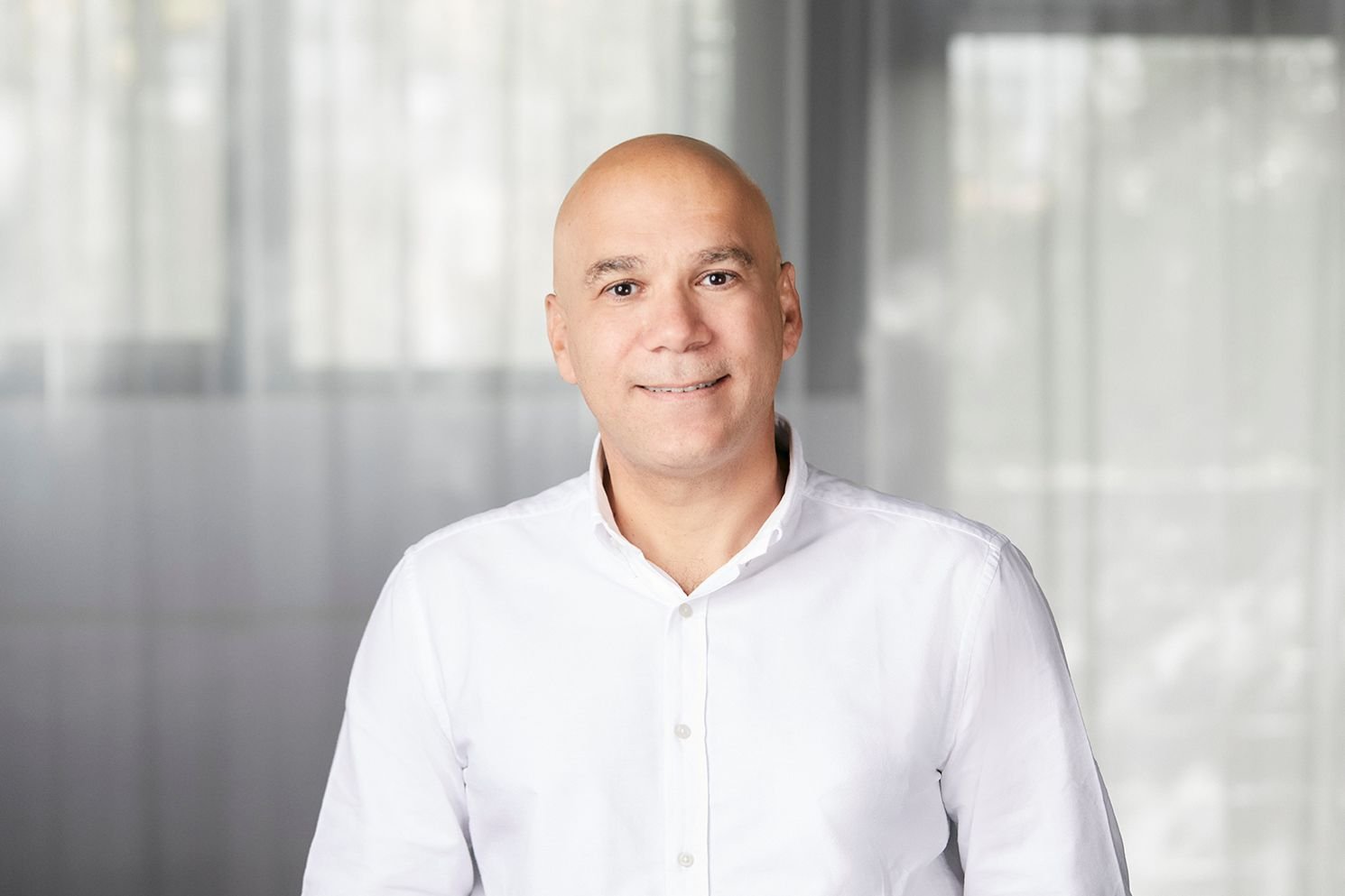

By Vincent Caradec, Co-Founder and CEO, Healthi Life
Somewhere, this week, someone is booking a flight in the hope that a stem cell intervention will help them. They have probably spent months reading about it online, and most of what they read was marketing. For Asian providers who receive these travelers, the first responsibility isn't the procedure. It is the conversation that comes before it.
The size of the market makes that conversation urgent. In 2016, Leigh Turner and Paul Knoepfler counted at least 351 US businesses marketing stem cell interventions directly to consumers, through 570 clinics. When Turner repeated the count in 2021, he found 1,480 businesses operating 2,754 clinics. Similar offers now appear across Asia, Latin America and Europe, and people compare them online the way they compare hotels.
The important distinction is not between countries that offer cell-based care and countries that do not. It is between approved therapies for defined indications, interventions being evaluated in appropriately regulated clinical trials, and commercial offerings that lack adequate evidence of safety and efficacy. Established hematopoietic stem cell transplantation has specific medical uses. In December 2024, the US Food and Drug Administration also approved Ryoncil (remestemcel-L-rknd), a bone marrow-derived mesenchymal stromal cell therapy for steroid-refractory acute graft-versus-host disease in children aged two months and older. That approval followed clinical evaluation for a narrowly defined condition; it does not validate unrelated stem cell interventions marketed for other diseases or general wellness. The International Society for Stem Cell Research’s (ISSCR) 2021 guidelines call for rigorous preclinical evidence, appropriately designed clinical studies and independent oversight before new interventions enter routine practice.
I work in Bangkok, with patients from more than 50 countries. Here is what I think providers owe the people who cross a border for this kind of care.
Say what the treatment is, first
Before cost, schedule or logistics, a patient should know exactly what is being proposed and its regulatory status. Is it an approved therapy for this particular indication? Is it being studied under an authorized clinical trial protocol? Or is it an unproven commercial intervention? These categories cannot be blurred. If an intervention remains investigational, its potential benefits and risks must be presented without invented success rates, promised timelines or comparisons that imply equivalence with approved treatments. Calling something investigational is a description, not a scientific justification or permission to offer it outside appropriate oversight.
In 2019, the ISSCR published an informed consent standard addressing stem cell-based interventions offered outside formal clinical trials. It emphasizes the information patients need to understand the scientific rationale, possible benefits and risks. But informed consent is necessary, not sufficient. A signed form cannot replace credible preclinical and clinical evidence, ethical review, manufacturing safeguards or the regulatory authorization required for the proposed intervention. Providers must establish that an intervention is scientifically and legally appropriate before asking a patient to consent.
Consent has to survive the language gap
Consent is harder when the patient, the provider and the home doctor do not share a language or a medical system. A form signed in a second language, on the day of arrival, after a long-haul flight, is not informed consent in any meaningful sense.
The practical steps matter. Send information in the patient's own language before travel. Leave time between consultation and decision. Encourage discussion with their regular doctor at home, including the option of established care or participation in a properly registered trial. Better questions make for a more honest clinical conversation.
Answer the hard questions before they are asked
The ISSCR's Guide to Stem Cell Treatments encourages patients to ask pointed questions. Beyond the claimed benefit, a responsible provider should be prepared to answer:
A certificate of analysis or a manufacturing standard is useful information, but neither proves clinical effectiveness for a particular disease. A provider who cannot answer these questions clearly should not offer the intervention to someone traveling from abroad.
Follow-up does not end at the airport
For international patients, the weakest point is the trip home. Side effects can appear weeks later, thousands of kilometers from the team that performed the procedure. Medical records should travel with the person, in a format and language their home doctor can use, along with a named contact and a plan for remote follow-up. That belongs in the care plan from the first consultation. Too often it is added at checkout.
Be ready to say no
Declining is the hardest part of this work. Some people arrive with conditions for which there is no reasonable evidence, or with expectations no honest provider can meet. Turning them away costs revenue this month. Accepting them costs the whole field its credibility for years.
Saying no well means explaining why, pointing to proven options where they exist and, when it fits, suggesting a registered clinical trial. Trials are still the most reliable route to new treatments.
Why this matters in Asia
Asia has the scientific expertise, manufacturing capacity and clinical networks to contribute meaningfully to regenerative medicine. But responsible growth depends on separating validated treatments from promising research and from unsupported commercial claims. That means stronger evidence, transparent cell sourcing and production, independent review, regulatory accountability and long-term safety follow-up, including when patients return across borders. Credibility is not built by how many procedures a region sells. It is built by what its providers can substantiate, what its regulators can scrutinize and what its patients can trust. I would rather we earn that trust than spend it.
About the author
Vincent Caradec is Co-Founder and CEO of Healthi Life, The Urban Longevity House in Bangkok, Thailand. After a stay in intensive care at 37, he turned his focus to prevention and longevity medicine. He writes about how international patients in Southeast Asia are informed about longevity and regenerative care.
Disclosure: Healthi Life offers physician-led regenerative and cell-based protocols in Bangkok.