
There is a particular energy that settles over the Bangkok International Trade and Exhibition Centre (BITEC) in the first week of September, and this year it was unmistakable. Thailand LAB INTERNATIONAL 2026, organised by VNU Asia Pacific and held from 2 to 4 September, brought together laboratory professionals, biotechnology researchers, regulators, diagnostics specialists and industry leaders from across the Asia-Pacific region for three intensive days of conferences, technology demonstrations and dealmaking.
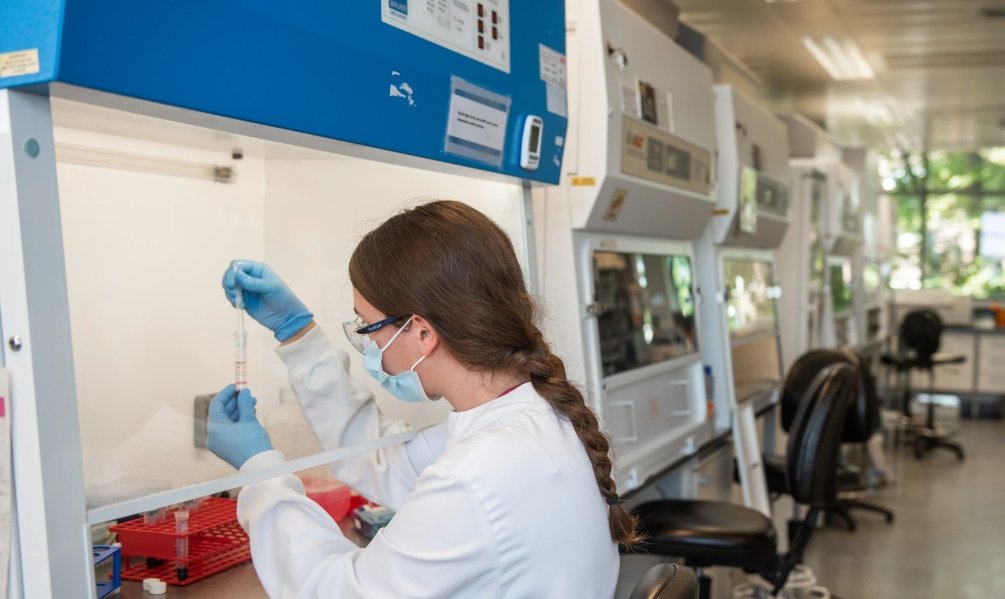
The exhibition has long positioned itself as one of Asia's leading platforms for laboratory equipment and instrumentation, spanning analytical and testing technologies, calibration and metrology, clinical and diagnostic solutions, environmental and safety systems, and research and development tools. But what set the 2026 edition apart was the sheer intellectual range of its conference programme. Across three days, delegates could move from a deep technical session on pipette qualification under ISO 8655-10 in the morning to a forum on longevity biotechnology in the afternoon, and finish the day watching live instrument demonstrations in the show's Immersive Lab.
For anyone tracking the trajectory of laboratory science in this region, the programme offered something more valuable than novelty. It offered a coherent argument: that Asia-Pacific's laboratory sector is maturing simultaneously on two fronts, quality infrastructure and frontier science, and that the two are now inseparable.
The opening day on Wednesday, 2 September, wasted no time getting into substance. One of the earliest sessions to fill up was "Testing and Characterization: The Key Success Factor," a full-day programme running from 08:30 to 15:30 in MR 218. With a nine-member speaker panel of Thai testing and characterisation specialists, the session worked through the practical realities of materials and product testing, the discipline that quietly underwrites everything from pharmaceutical release to food safety certification. The message that emerged was a familiar one to laboratory managers but delivered with fresh urgency: characterisation competence is no longer a back-office function. It is a competitive differentiator for manufacturers seeking access to regulated markets.
The undisputed centrepiece of the day, however, was the opening of the 10th Biotechnology International Congress, BIC 2026, which ran across both 2 and 3 September in MR 212-213. Now in its tenth edition, BIC has grown into one of Southeast Asia's most international biotechnology gatherings, and the 2026 faculty list demonstrated exactly why.
The congress brought together a remarkable cross-border roster. Prof. Dr. Takeshi Omasa and Prof. Dr. Hideki Aoyagi represented Japan's deep expertise in bioprocess engineering and applied microbiology. Prof. Dr. Jian-Jiang Zhong brought perspectives from China's bioprocessing research community, while Prof. Dr. Joongoo Lee added a Korean dimension and Dr. Tsung-ju Li contributed insights from Taiwan's biotechnology ecosystem. Malaysia was represented by Prof. Dr. Mohd Fauzi Mh Busra and Assoc. Prof. Datin Ts. Dr. Khairani Idah Mokhtar, India by Assoc. Prof. Dr. Indranil Banerjee and Prof. Dr. Kunal Pal, and Russia by Prof. Dr. Ivan Dubovskiy.
The Thai contingent was equally formidable. Prof. Dr. Alissara Reungsang, Prof. Dr. Vip Viprakasit, Dr. Uracha Ruktanonchai, Dr. Sissades Tongsima, Prof. Dr. Penjit Srinophakun, Assoc. Prof. Dr. Thanyaporn Wongnate, Assoc. Prof. Dr. Jittima Luckanagul, Assoc. Prof. Dr. Paiboon Tunsagool, Assoc. Prof. Dr. Thawatchai Chaijarasphong, Asst. Prof. Dr. Adisak Romsang, Asst. Prof. Dr. Nisa Patikarnmonthon and Dr. Thapakorn Jaroentomeechai, among others, gave the congress a strong home-ground anchor across genomics, nanomedicine, enzyme engineering, synthetic biology and translational medicine.
The breadth of that faculty is worth pausing on. A single congress room in Bangkok hosted active researchers from Japan, China, South Korea, Taiwan, Malaysia, India, Indonesia's near neighbours and Europe's eastern edge, all presenting to a predominantly Southeast Asian audience. That density of scientific exchange is precisely what regional biotechnology ecosystems need, and it is increasingly happening in Bangkok rather than only in Boston or Basel.
Day one also carried a strong veterinary and agricultural current. The Department of Livestock Development convened a full-day academic seminar in MR 211, drawing a large delegation of veterinarians and laboratory officers to discuss diagnostic capability and disease surveillance in the livestock sector. In the afternoon, a dedicated session on "Frontier Genetics Technologies for Commercial Animal Breeding" explored the journey from genomic selection to real industry impact, with a speaker panel led by Prof. Dr. Uthairat Na Nakorn and Prof. Dr. Skorn Koonawootrittriron examining how genomic tools are moving from research papers into commercial breeding programmes for aquaculture and livestock. For a country where agriculture remains an economic backbone, the session underlined how quickly molecular tools are reshaping a traditional industry.
Food science had its own strong showing. A morning session examined quality assurance of food analysis results, covering nutritional value, safety and adulteration detection through proficiency testing programmes. In the afternoon, the ASEAN Food Safety Forum convened its 14th edition at the LAB Square stage with a genuinely regional panel. Assoc. Prof. Dr. Anuvat Jangchud and Assoc. Prof. Dr. Kanithaporn Vangnai from Thailand were joined by Dr. Widiastuti Setyaningsih from Indonesia and Dr. Nguyen Tien Cuong from Vietnam to tackle one of the most pressing emerging topics in the field: microplastics in food. The forum walked through the current state of detection science, the gaps in standardised methods and the regulatory questions that ASEAN food safety authorities will need to answer sooner rather than later. It was one of the sessions where you could sense a future compliance agenda taking shape in real time.
Quality and metrology, the connective tissue of the entire show, ran throughout the day. A private session evaluated pipette suitability for the modern laboratory under ISO 8655-10, a technical seminar covered the writing of technical standard operating procedures for testing laboratories, and an afternoon workshop taught delegates how to read volumetric glassware calibration reports and use interlaboratory comparisons for quality assurance. A separate session addressed protein quantification under ISO/IEC 17025, while another examined probiotics in food from the analytical and registration standpoint. A private afternoon programme on smart dimensional metrology rounded out the picture, covering tool selection and uncertainty evaluation for quality control efficiency.
Then there was the session that arguably captured the show's forward-looking spirit best. The seventh Biotech FTI Forum, convened under the banner "Biotech Frontiers: Innovation for Longevity and Sustainability," filled Conference Room A for the afternoon. The panel mixed pharmaceutical scientists, geriatric medicine specialists, industry executives and, in a distinctly 2026 touch, a technology influencer, Sunny Jawla, known online as Sunnylogy. The conversation moved across healthy ageing science, the commercial logic of longevity products, and how sustainability thinking is entering biomanufacturing decisions. Longevity has been building momentum across the Asia-Pacific biotech conversation all year, and its appearance as a headline forum theme at a laboratory trade show confirms that the topic has crossed from speculative to strategic.
Meanwhile, on the show floor, the Immersive Lab format proved a quiet hit. Ohaus, Bara Scientific and Gibthai ran hands-on demonstration sessions throughout day one, with SK Powerable and Bio Active closing the afternoon. The format, short 45-minute guided demonstrations inside a purpose-built lab environment, gave visitors something a static booth cannot: instruments in action, workflows in sequence, and questions answered at the bench.
If day one established the show's range, Thursday, 3 September sharpened its focus on the machinery of trust: standards, validation and safety.
The day opened with a comprehensive programme on the importance of testing laboratories under Section 5 of Thailand's industrial standards framework, guiding manufacturers through the laboratory requirements for applying to display the TIS mark. Led by Dr. Methawee Ritthisirimetha and a panel from the standards community, the session ran until mid-afternoon and drew a steady audience of quality managers, a reminder that for thousands of manufacturers, laboratory competence is the gateway to market access.
That standards thread continued across the day. Conference Room B hosted a full-day masterclass on method validation of chemical methods with Ajarn Dusadee Mankwamdee, one of the recurring pillars of the Thailand LAB conference programme. A parallel session in the afternoon addressed the implementation of USP General Chapters 61 and 62, presented by Phannarat Phromphen, which gave pharmaceutical quality control laboratories a best-practice walkthrough of microbiological examination requirements. For QC professionals working in Thailand's substantial pharmaceutical manufacturing sector, these sessions delivered directly actionable content.
Science itself took centre stage at the "Protein Science at the Frontier" symposium in MR 211 during the morning. Dr. Bundit Boonyarit, Dr. Kittikhun Wangkanont, Dr. Nattawadee Panyain and Dr. Chayasith Uttamapinant presented work spanning computational protein design, glycobiology, chemical biology and protein engineering. It was a window into a generation of Thai researchers working at the same frontier as their peers in Cambridge or San Francisco, and the room's energy reflected it. Structural and computational protein science has become one of the defining capabilities of the post-AlphaFold era, and its presence at BITEC signals how quickly those techniques are being absorbed into the region's research base.
Complementing this, a session on synchrotron light applications explored how Thailand's synchrotron facility is enhancing medical and herbal research, with Dr. Kanjana Thumanu explaining the analytical possibilities that accelerator-based light sources open up for drug and natural product research.
Sustainability, a theme simmering throughout the show, received a dedicated platform in the "Future Trend on LAB Sustainability" session at LAB Square, where Asst. Prof. Suchada Chaisawadi laid out how laboratories can reduce energy, water, plastic and solvent footprints without compromising data quality. Green lab thinking has moved rapidly from aspiration to procurement criterion, and the audience questions suggested that laboratory managers are now under genuine institutional pressure to demonstrate progress.
Laboratory safety looked to its own future in an afternoon session in MR 220, where Dr. Nattakan Ketkhum Vivongkos and Pawin Ngamlert examined the next generation of laboratory safety practice, from engineering controls to safety culture. In the same time slot, veterinary science returned to the programme with a session on diagnostic intelligence for genotype shift and evidence-based vaccine selection in Newcastle disease, a topic of direct economic consequence for the region's poultry industry, presented by a panel of leading Thai veterinary virologists.
The day's agricultural economics highlight came from "Unlocking the Value Chain," a LAB Square session on transforming agricultural biomass into future-ready businesses. The panel connected laboratory analytics to bioeconomy strategy, showing how residues from Thailand's enormous agricultural output can be upgraded into higher-value bio-based products. It is the kind of conversation that ties laboratory instrumentation directly to national industrial policy, and it resonated strongly in a country actively pursuing a bio-circular-green economic model.
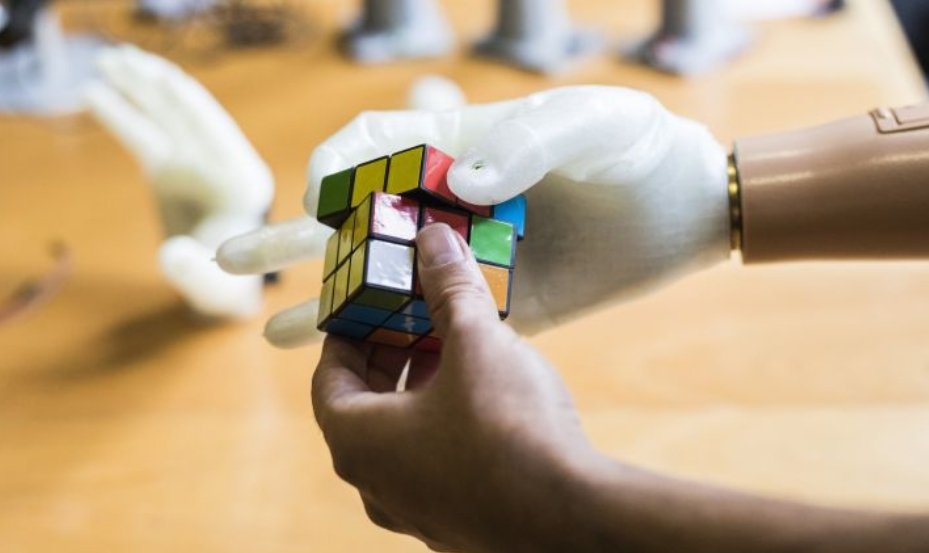
Perhaps the most future-facing hour of the entire show came in the afternoon at LAB Square: "From Research to Reality: Transforming Healthcare with Physical AI." A team of robotics and biomedical engineering researchers, including Dr. Nantida Nillahoot, Assoc. Prof. Dr. Jackrit Suthakorn, Dr. Songpol Ongwattanakul, Choladawan Moonjaita and Dr. Yuttana Itsarachaiyot, presented how physically embodied artificial intelligence, from surgical robotics to intelligent medical devices, is moving out of university laboratories and into clinical settings. Physical AI has become one of the most discussed frontiers in global technology this year, and hearing a Thai research group articulate a credible pathway from prototype to hospital deployment was a highlight for many delegates.
The day closed with a thought-provoking session on the changing mandate of the National Laboratory Animal Center, presented by Asst. Prof. Dr. Nattapon Panupinthu, examining how animal research facilities must adapt to new scientific questions, new alternatives and evolving ethical expectations.
Day two also featured a startup presentation block at Innovation Square, where founders including Punika Leelathapanakul, Jerry Yiu and Uraiwan Khantasen pitched laboratory and life science ventures, an increasingly important fixture as the show builds bridges between established instrument buyers and the startup economy. The Immersive Lab kept its rhythm as well, with Gibthai running back-to-back morning sessions and Bara Scientific, Ohaus, Bio Active and SK Powerable carrying the afternoon.
Alongside the public programme, the Association of Medical Technologists of Thailand continued its major two-day academic congress, "Clinical Excellence: Best Practices in Laboratory Medicine," in MR 214-217. Running across both 2 and 3 September as a private conference, the congress drew clinical laboratory professionals from across the country and featured senior figures from the medical technology and pathology communities. Its presence within Thailand LAB INTERNATIONAL reinforces the show's role as the annual meeting point not just for industrial and research laboratories but for clinical laboratory medicine as well.
The final day, Friday, 4 September, opened with the most institutionally significant session of the week. "Strengthening Biosafety and Research Integrity through National Standards" occupied MR 213 for a full day, from 08:00 to 16:00, convened with the participation of the Biosafety Association (Thailand) and the National Research Council of Thailand. The speaker roster, including Prof. Dr. Chonlaphat Sukasem and a deep bench of biosafety, veterinary and research integrity experts, worked through how national standards can raise the floor for biosafety practice and research governance across Thai institutions.
The timing could hardly be more relevant. Biosafety governance and research integrity have moved to the centre of global life science policy debates in 2026, with governments across major research economies revisiting oversight of high-risk research. Watching Thailand convene its own standards-based conversation, grounded in national frameworks rather than imported checklists, was a signal that the region intends to be a participant in that global debate rather than a spectator.
Public health had a direct-to-family moment in "Vaccines for All Ages 2026," a morning session in MR 212 where Assoc. Prof. Dr. Wanatpreeya Phongsamart and fellow specialists walked through vaccination across the life course, from paediatric schedules to adult and elderly immunisation. In a region still consolidating the lessons of the pandemic years, sessions that translate immunisation science for a broad professional audience continue to earn their place at a laboratory show.
Environmental analytics claimed the middle of the day. A morning workshop covered stack emission sampling for dust and gases under ISO/IEC 17025 guidelines, while at Innovation Square Dr. Rodtichoti Wannapob presented TOC/TNb analysis for wastewater and natural water monitoring. Both sessions spoke to a growing compliance market: as environmental regulation tightens across Southeast Asia, demand for defensible, accredited environmental measurement is rising in step.
Biodiversity and innovation shared the LAB Square and Innovation Square stages through the morning. Dr. Pramote Triboun presented long-term seed banking as a biodiversity repository strategy, and Asst. Prof. Dr. Rattanawan Kiatkomol delivered "IP 101," an accessible introduction to intellectual property for researchers, the kind of capability-building session that quietly compounds over years as more scientists learn to protect and commercialise their work. Later, Prof. Dr. Warakorn Limbut presented a memorable case study in "From Chili to Quality Standards," describing an electrochemical sensing platform developed for herbal analysis and quality control, a neat demonstration of how local research questions can produce globally relevant analytical technology.
Fittingly, the conference programme closed where the whole show conceptually begins: with confidence in laboratory results. Conference Room A hosted "Building Confidence in Laboratory Test Results" through the day, while Conference Room B ran a full-day programme on the requirements of ISO/IEC 17025:2017, the general requirements standard for testing and calibration laboratory competence, led by Ajarn Somboon Ekwiriyakit. If one standard could be said to hover over the entire three days, it was ISO/IEC 17025, invoked in sessions on chemical methods, protein analysis, glassware calibration, emission sampling and laboratory management alike. The standard has become the shared language of the region's laboratory economy, and Thailand LAB INTERNATIONAL has become one of the principal places where that language is taught.
The Immersive Lab ran at full cadence to the very end, with Gibthai, Ohaus, Bio Active, SK Powerable and Bara Scientific rotating through demonstration slots until the final session at 16:45, by which point the aisles were filled with the familiar end-of-show mix of rolled-up banners, exchanged business cards and last-minute negotiations.
Step back from the individual sessions and a few clear signals emerge from Bangkok this week.
First, quality infrastructure is the region's growth engine, not its afterthought. The density of programming around ISO/IEC 17025, method validation, proficiency testing, calibration and SOP writing reflects real market demand. Asia-Pacific's laboratories are not simply buying instruments; they are building the accreditation and competence frameworks that make their data internationally acceptable. Every session on uncertainty evaluation or interlaboratory comparison is, in effect, a session about export competitiveness, regulatory approval and scientific credibility.
Second, the frontier has arrived in Bangkok. Computational protein science, physical AI in healthcare, genomic selection in animal breeding, synchrotron-enabled drug research and longevity biotechnology all featured on this year's programme, presented substantially by researchers based in the region. The old model, in which frontier science happened elsewhere and Asia-Pacific shows focused on equipment procurement, no longer describes reality.
Third, food and environment are converging with laboratory science faster than regulation can keep up. The microplastics forum and the biomass value chain session both pointed to areas where analytical capability is running ahead of standardised methods and rules. That gap is where the next wave of laboratory investment, and the next wave of conference programming, will concentrate.
Fourth, biosafety and research integrity are now boardroom topics. A full-day, standards-based national conversation on biosafety, held on the show's closing day with senior institutional backing, would have been hard to imagine at a trade exhibition a decade ago. In 2026 it felt essential.
And finally, the format itself is evolving. Between the Immersive Lab demonstrations, the startup pitches at Innovation Square, the open stages at LAB Square and the traditional conference rooms, Thailand LAB INTERNATIONAL 2026 offered multiple modes of engagement for multiple audiences. The show has understood something important: a modern laboratory event must serve the quality manager studying uncertainty budgets, the professor presenting protein design, the founder pitching a diagnostic startup and the procurement head comparing balances, all at once, under one roof.
As BITEC's halls emptied on Friday evening, the takeaway for the Asia-Pacific laboratory and life sciences community was straightforward. The region's laboratory sector is no longer defined by what it imports. It is increasingly defined by what it measures, validates, discovers and builds itself. Thailand LAB INTERNATIONAL 2026 did not just showcase that transition. For three days in Bangkok, it embodied it.
BioSpectrum Asia covered Thailand LAB INTERNATIONAL 2026 on-site for the full event duration, 2 to 4 September 2026, at BITEC, Bangkok, and reported from the show floor and conference sessions.